why slow travel enhances cultural experiences compared to fast-paced tours
Understanding Slow Travel: A Deep Dive
In the realm of travel, the concept of 'slow travel' has gained prominence as a movement advocating for immersive and sustainable experiences. Unlike rapid sightseeing tours that focus on visiting numerous attractions in a short timeframe, slow travel emphasizes extended stays, allowing travelers to delve deeper into local cultures.
The philosophy behind slow travel is rooted in the idea of quality over quantity. By spending more time in one place, travelers can engage with local customs, foods, and traditions, fostering a genuine connection with the destination. This approach not only enriches the travel experience but also supports local economies by encouraging spending at small businesses rather than large, tourist-focused venues.
The Benefits of Slow Travel
Deeper Cultural Immersion
Slow travel offers an unparalleled opportunity for cultural immersion. For instance, instead of rushing through Paris in three days, a slow traveler might spend a month living in a neighborhood like Le Marais. This extended stay allows for engagement with local routines such as shopping at open-air markets or attending community events.
Moreover, slow travelers often learn basic phrases of the local language, enhancing their interactions and understanding of the culture. Engaging in language classes or workshops, such as cooking lessons or artisan crafts, can deepen cultural connections and create lasting memories.
Sustainable Impact
Environmental and social sustainability are central to the ethos of slow travel. By reducing the frequency of flights and choosing slower modes of transport like trains or buses, travelers can significantly decrease their carbon footprint. Additionally, staying longer in one location promotes a more sustainable interaction with local resources and helps diminish the negative impacts of over-tourism.
For example, opting for homestays or locally owned accommodations supports the community's economy more sustainably than staying at international hotel chains. Many slow travelers also participate in community-based tourism projects that provide meaningful contributions to local development efforts.
Personal Growth and Relaxation
One of the understated benefits of slow travel is personal growth. The slower pace allows travelers to absorb their surroundings fully, often leading to self-reflection and newfound perspectives. It provides ample time for relaxation, preventing the exhaustion commonly associated with fast-paced tours.
Consider a scenario where someone decides to explore a village in the south of Spain for two months. During this time, they have the chance to engage with locals regularly, attend seasonal festivals, and enjoy leisurely afternoons at local cafes—experiences that nurture personal enrichment.
The Drawbacks of Slow Travel
Time Constraints
One of the primary limitations of slow travel is time. Not everyone can afford to take extended periods off work or other commitments. Thus, slow travel may not be feasible for those with limited vacation time or pressing responsibilities.
Travelers must weigh the importance of deep cultural immersion against their available time. For those who can manage a sabbatical or remote work arrangements, slow travel offers unmatched rewards; however, it might require significant planning and flexibility.
Cost Considerations
While slow travel can be economically beneficial through long-term accommodation discounts and reduced transportation costs, the initial expenditure can appear daunting. Renting an apartment for several weeks may seem expensive compared to budget hotels booked for short stays.
However, savvy travelers can mitigate these costs by cooking at home using local ingredients or utilizing work exchange programs where they offer services in exchange for lodging.
The Appeal of Fast-Paced Tours
Maximizing Sightseeing Opportunities
Fast-paced tours are ideal for those seeking to see as much as possible in a limited timeframe. Group tours often include knowledgeable guides who provide historical insights and navigate logistical challenges, maximizing the efficiency of each visit.
Consider an organized tour through Japan that covers Tokyo, Kyoto, and Osaka in one week. Travelers get a snapshot of Japan's diverse landscapes and cultures while benefiting from structured itineraries that ensure key sites are visited without hassle.
Convenience and Comfort
For many travelers, convenience is a major factor when planning trips. Fast-paced tours often handle all arrangements including transportation, accommodations, and meals. This alleviates stress and allows travelers to focus solely on their experience.
This approach suits individuals who prefer guided experiences and value having logistics managed by professionals rather than navigating them independently.
When to Choose Each Approach
Opting for Slow Travel
If your goal is profound cultural immersion or if you're seeking an escape from daily pressures to foster personal growth, slow travel is ideal. It's best suited for destinations where you wish to experience everyday life rather than just the highlights.
- A writer looking for inspiration might settle temporarily in the Scottish Highlands.
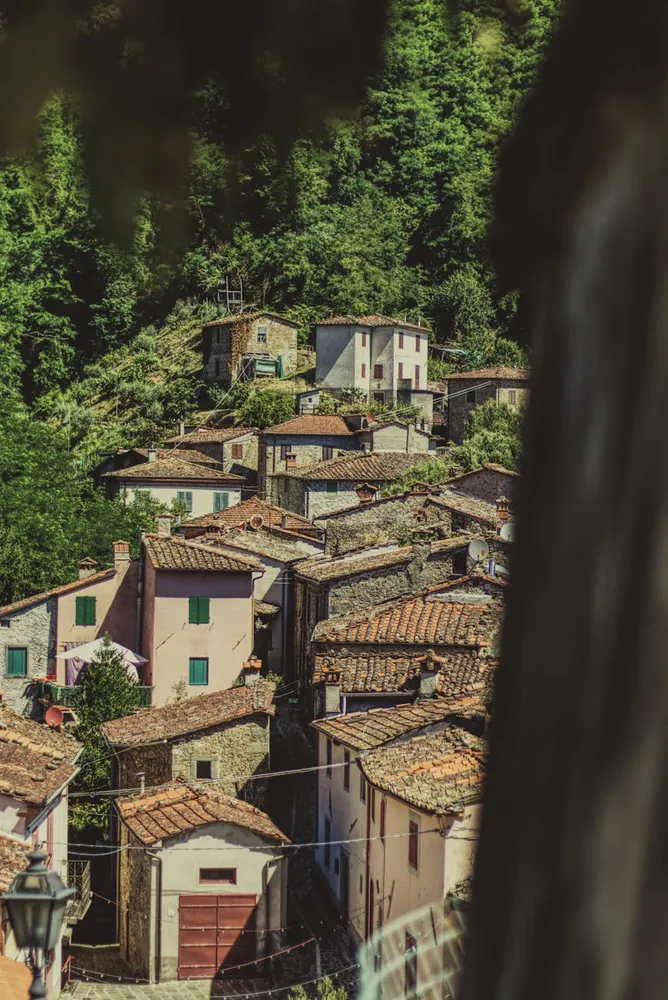
- A family desiring meaningful cultural exchanges could spend summer months volunteering in a rural Italian village.
Selecting Fast-Paced Tours
If your primary goal is to cover numerous destinations in a short period while learning about major tourist sites from experts, fast-paced tours are optimal.
- First-time travelers exploring Europe might choose a whirlwind tour covering five countries in ten days.
- An art enthusiast visiting renowned galleries might prefer a curated tour emphasizing art history insights across multiple cities.
Conclusion: Finding Your Balance
The choice between slow travel and fast-paced tours ultimately hinges on individual preferences and circumstances. Understanding what you hope to gain from your travels will guide you toward the approach that best aligns with your goals.
Whether it's savoring the intricacies of a single locale or capturing the essence of numerous places swiftly, both methods offer unique benefits. By considering personal interests, time constraints, and budgetary considerations, travelers can craft memorable journeys that resonate deeply with their desires and values.