smart planning for economical trips: tips on cost-saving essentials
Maximizing Your Accommodation Savings
Finding the right place to stay is crucial for any budget traveler. There are several strategies to ensure that your lodging expenses do not drain your budget.
Explore Alternative Accommodation Options
The most obvious way to save on accommodation is to consider alternatives to traditional hotels. Options such as hostels, vacation rentals, and homestays can provide significant savings.
- Hostels: Ideal for solo travelers or those seeking a social atmosphere. Dormitory-style rooms significantly cut costs, and many hostels offer private rooms for couples or families at a fraction of hotel prices.
- Vacation Rentals: Platforms like Airbnb or Vrbo allow you to rent apartments or homes directly from owners, often resulting in lower nightly rates compared to hotels, especially for longer stays.
- Homestays: Staying with local families can provide a more immersive experience and typically comes at a lower cost. Websites like Homestay.com can connect you with hosts offering a spare room in their home.
Timing and Flexibility Are Key
Booking during off-peak seasons or mid-week can reduce accommodation costs. Additionally, last-minute deals offered by some websites can lead to significant savings if you’re flexible with your dates.
Consider signing up for newsletters from travel deal sites such as Secret Flying, which often feature flash sales and special offers on accommodations.
Savvy Food Choices Without Compromise
Food is another area where travelers can easily overspend. Eating like a local not only saves money but enhances your cultural experience.
Dine Where the Locals Eat
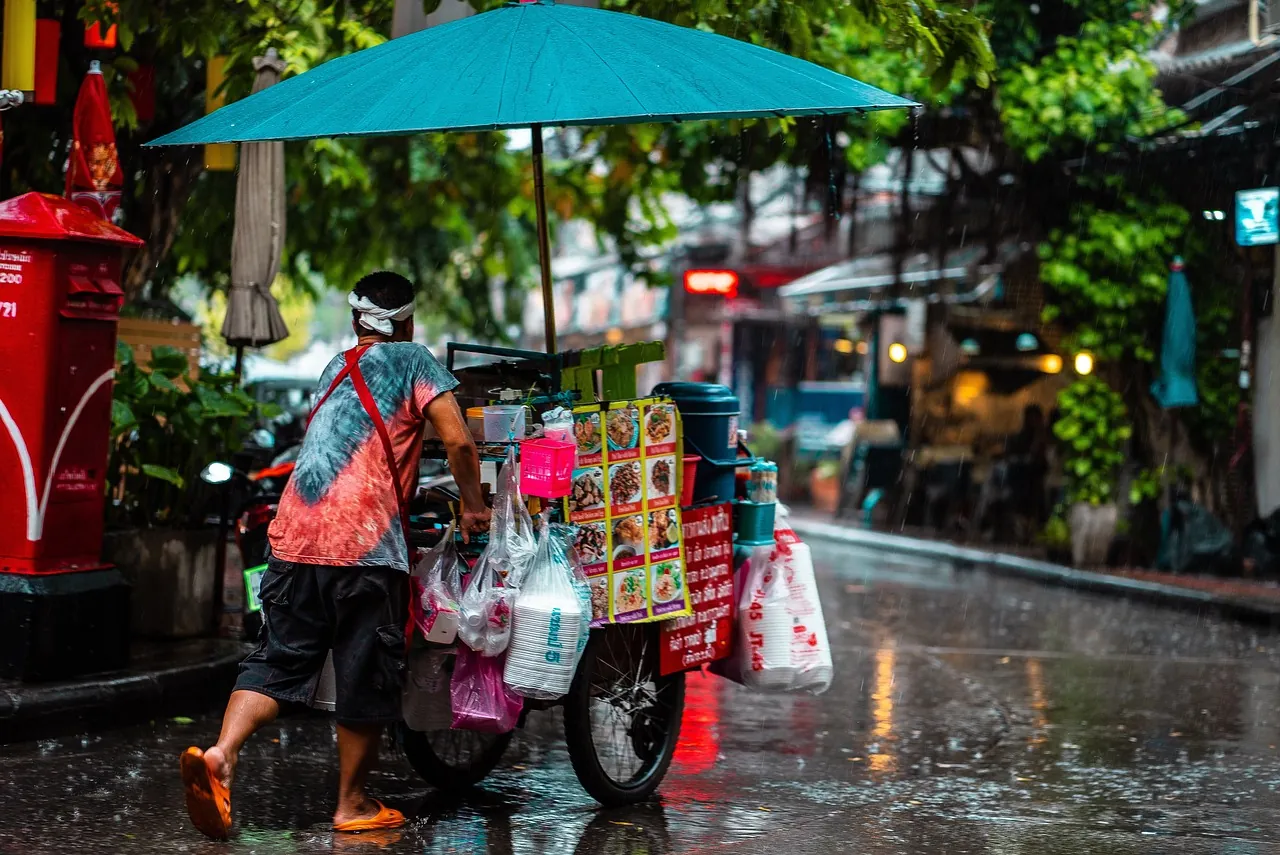
Local eateries, street food vendors, and markets are excellent places to find delicious meals at affordable prices. In Bangkok, for example, the vibrant street food scene offers everything from spicy curries to sweet desserts at minimal cost.
- Research Before You Go: Use resources like Eater or travel blogs to find highly recommended local dining spots.
- Cultural Insights: Exploring local cuisine is a cultural experience that enriches your trip and introduces you to authentic flavors without the tourist price tag.
Self-Catering Options
If your accommodation includes a kitchen or kitchenette, consider preparing some of your meals. This is especially beneficial in areas where dining out can be expensive. For example, a simple pasta dinner can be made for just a few dollars when buying ingredients from local markets.
Transportation Tips That Add Up
Getting around efficiently can dramatically reduce your travel expenses. Consider these options to keep transportation costs low.
Public Transit Over Taxis
Public transportation systems are usually the cheapest way to explore a city. Cities like Berlin and Tokyo have extensive networks that make it easy to navigate even for first-time visitors.
- Multi-Day Passes: Many cities offer passes that provide unlimited travel within a set period, often at a lower cost than individual tickets.
- Navigating Apps: Apps like Citymapper or Google Maps provide real-time updates and help you plan the best routes across unfamiliar transit systems.
Ride Sharing and Car Rentals
If public transport isn’t an option, consider ride-sharing services like Uber or Lyft, which can be more economical than traditional taxis, especially when traveling with others. For more remote locations, renting a car might be the most viable option.
When renting cars, book in advance and compare prices across different platforms like Kayak or Rentalcars.com. Look out for discounts and opt for smaller cars which are typically cheaper and more fuel-efficient.
Smart Use of Technology
Your smartphone is one of the most powerful tools in maximizing your travel budget.
Leverage Travel Apps
Apps such as Hopper can predict the best times to book flights, while Skyscanner provides alerts for fare drops. Similarly, apps like XE Currency help you manage exchange rates, ensuring you're always aware of what you're spending abroad.
Cashing in on Rewards Programs
If you frequently travel, leveraging rewards programs and credit cards with travel benefits can provide substantial savings. From airline miles to hotel points, these rewards add up over time and can significantly offset travel costs.
For instance, the Chase Sapphire Preferred card offers substantial bonus points on travel purchases that can be redeemed for flights or accommodations, making it easier to fund future trips without cash outlays.
Insurance and Safety Considerations
A small investment in travel insurance can save you from major expenses due to unexpected events like illness or trip cancellations.
Selecting the Right Travel Insurance
Choose a policy that covers medical emergencies, trip interruptions, and lost luggage. Companies like World Nomads offer plans tailored to different types of travelers and activities.
Avoid assuming that credit card insurance is sufficient; often these policies have limitations that don't cover all potential issues.
Staying Safe Without Overspending
Your personal safety shouldn't be compromised for savings. Instead of expensive guided tours in unknown areas, research routes and use reliable maps. For solo travelers, apps like bSafe provide peace of mind by sharing your location with trusted contacts in real-time.
Conclusion: Crafting Your Budget Adventure
Planning an economical trip requires attention to detail and flexibility. By prioritizing affordable accommodations, exploring local food scenes, utilizing public transportation, employing technology smartly, and ensuring adequate safety measures, you can experience enriching travels without breaking the bank. Start your journey today by researching destinations and building a travel plan that’s both cost-effective and fulfilling.