How to Choose the Right Rail Pass for Travel in Japan
Understanding Japan's Rail Network
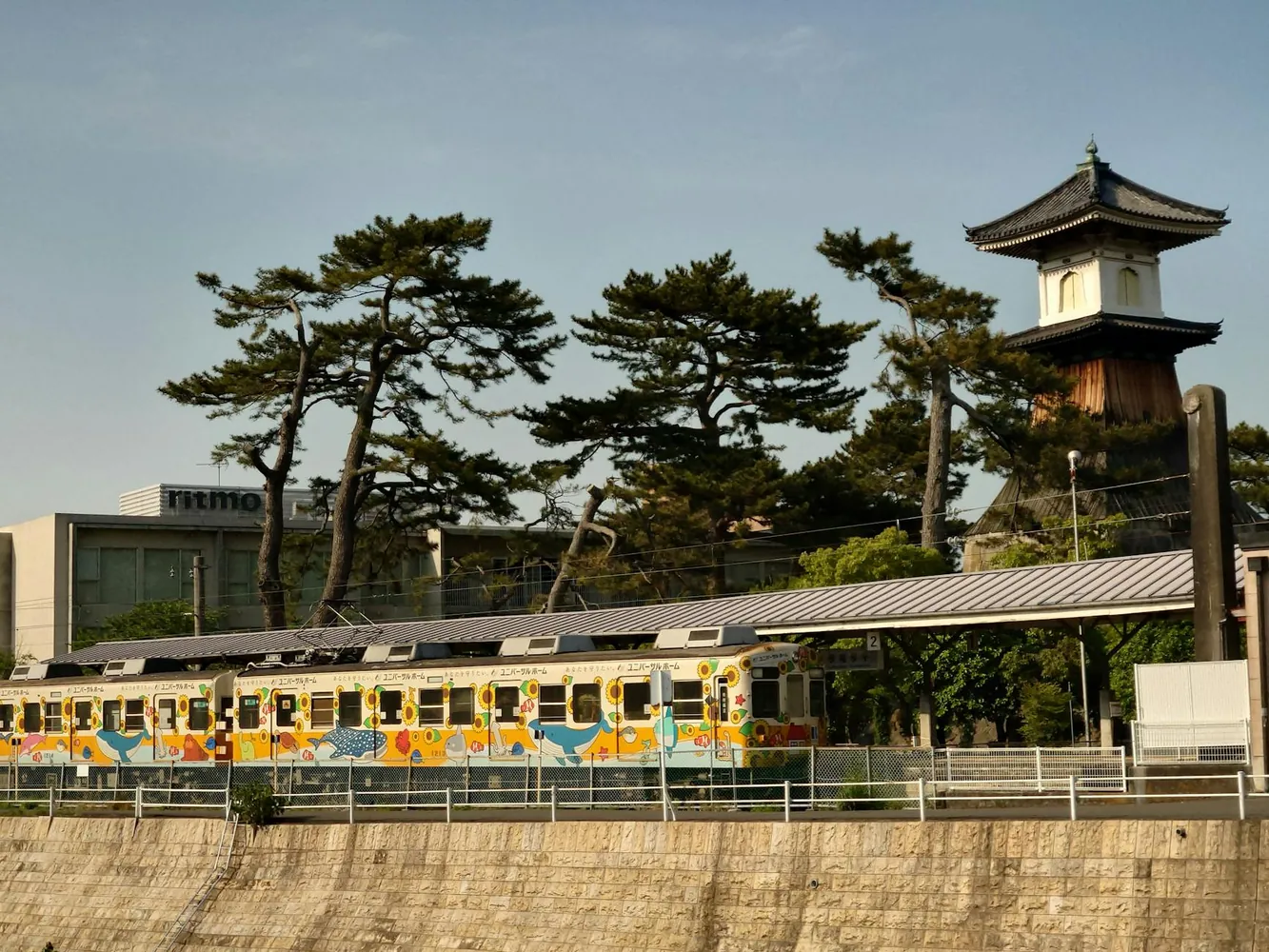
Japan boasts one of the most efficient and extensive rail networks in the world, making it an ideal country to explore by train. From the high-speed Shinkansen (bullet trains) to local commuter trains, the variety and punctuality of services offer unparalleled convenience and comfort. However, navigating this intricate system can be daunting for first-time travelers, especially when deciding which rail pass to purchase.
The Basics of Rail Travel in Japan
Japan Railways Group, or JR Group, operates the majority of the long-distance trains across the country. Alongside these, numerous private rail companies offer services in regional areas. A key aspect of travel planning involves understanding these operators and how they interact.
- JR Pass: The JR Pass is an excellent option for those planning extensive travel across different regions. It offers unlimited travel on most JR trains, including certain Shinkansen lines.
- Regional Passes: If your travel is confined to a specific area, such as Kansai or Hokkaido, consider a regional pass which can be more economical.
- Private Lines: These operate in urban and regional areas outside the JR network. For instance, if you're traveling extensively in Tokyo, a Tokyo Metro Pass might complement your JR Pass.
Choosing the Right Pass: Factors to Consider
When selecting a rail pass, several factors come into play:
Duration of Stay
The length of your trip significantly influences the type of pass you should choose. If you’re on a short trip (up to 7 days), a regional pass may suffice. For longer stays or itineraries covering multiple cities like Tokyo, Kyoto, and Osaka, a national JR Pass might be more advantageous.
Travel Itinerary
Consider which cities and regions you plan to visit. If your itinerary includes diverse locations from Sapporo in the north to Fukuoka in the south, a nationwide JR Pass offers the best value. However, if your journey is limited to the Kansai region (Osaka, Kyoto, Nara), a Kansai Thru Pass or JR Kansai Area Pass would be more suitable.
Frequency of Travel
Assess how often you'll use the trains. Travelers who plan to take daily trips between cities should opt for a pass that covers intercity travel. Conversely, for local commutes within a city, purchasing a prepaid card like Suica or Pasmo may be more practical.
Popular Rail Pass Options
The array of passes available can be overwhelming. Here’s a closer look at some popular options:
Japan Rail Pass (JR Pass)
The JR Pass is perfect for tourists intending to cover large distances over multiple regions. Available in 7-day, 14-day, and 21-day variants, it offers unlimited travel on JR lines including certain Shinkansen routes like the Tokaido line connecting Tokyo with Kyoto and Osaka.
- Price: Approx. ¥29,650 for 7 days (Ordinary class).
- Advantages: Significant savings on long-distance travel, flexibility, access to most JR buses and ferries.
- Considerations: Needs to be purchased before arriving in Japan and activated within three months.
JR East Pass
This pass is ideal for those focusing on the eastern region of Honshu. It provides access to all JR East lines and some Shinkansen services.
- Price: Approx. ¥20,000 for 5 flexible days within a 14-day period.
- Advantages: Flexibility with non-consecutive days usage.
- Considerations: Limited to eastern regions; doesn't cover all Shinkansen lines.
Kansai Thru Pass
For those exploring Osaka, Kyoto, Nara, and Kobe, the Kansai Thru Pass is a cost-effective choice.
- Price: Approx. ¥5,200 for 3 days (non-consecutive).
- Advantages: Access to non-JR lines and buses within Kansai.
- Considerations: Does not cover any JR lines; best used alongside a JR Kansai Area Pass if needed.
Navigating Local Train Etiquette
Cultural etiquette is an integral part of rail travel in Japan. To ensure a respectful and pleasant journey, adhere to these guidelines:
Quietness and Conduct
Avoid talking loudly on trains; phone conversations are considered rude. Many people use train time to relax or nap, so maintain a peaceful atmosphere.
Lining Up
At train stations, you'll notice designated lines indicating where to stand while waiting for the train. Adhere to these lines and allow passengers to exit before boarding.
Luggage Storage
Bags should be stored overhead or at your feet without obstructing aisles or seats. Some trains have luggage spaces at car ends—utilize these if carrying large suitcases.
Maximizing Your Rail Experience
Your rail journey in Japan can be enhanced with some strategic planning:
Advanced Seat Reservations
If traveling during peak seasons (e.g., cherry blossom or New Year), reserve seats in advance on popular Shinkansen routes. This can typically be done online or at JR ticket offices upon arrival.
Timetable Apps and Tools
Download apps like Hyperdia or Japan Transit Planner to navigate schedules and plan your route effectively. These tools provide up-to-date information on train times and connections.
Conclusion: Embrace the Journey
Selecting the right rail pass ensures a seamless travel experience across Japan's captivating landscapes. By understanding your itinerary needs and embracing local customs, you can fully immerse yourself in the cultural richness that Japan has to offer. Whether it's traversing bustling cities or serene countryside vistas, let Japan's railway be your gateway to discovery.