Experience Authentic Japanese Traditions Over a Seven-Day Village Tour
Discovering Japan's Hidden Gems: A Village Tour
Embarking on a journey through Japan's lesser-known villages offers travelers an intimate look at the country's rich heritage, vibrant traditions, and distinctive culinary arts. This seven-day itinerary is crafted to immerse you in authentic experiences, away from the bustling cityscapes. Each day unfolds with unique attractions, culinary delights, and cultural encounters that promise to enrich your understanding of Japan.
Day 1: Arrival in Tsumago-juku
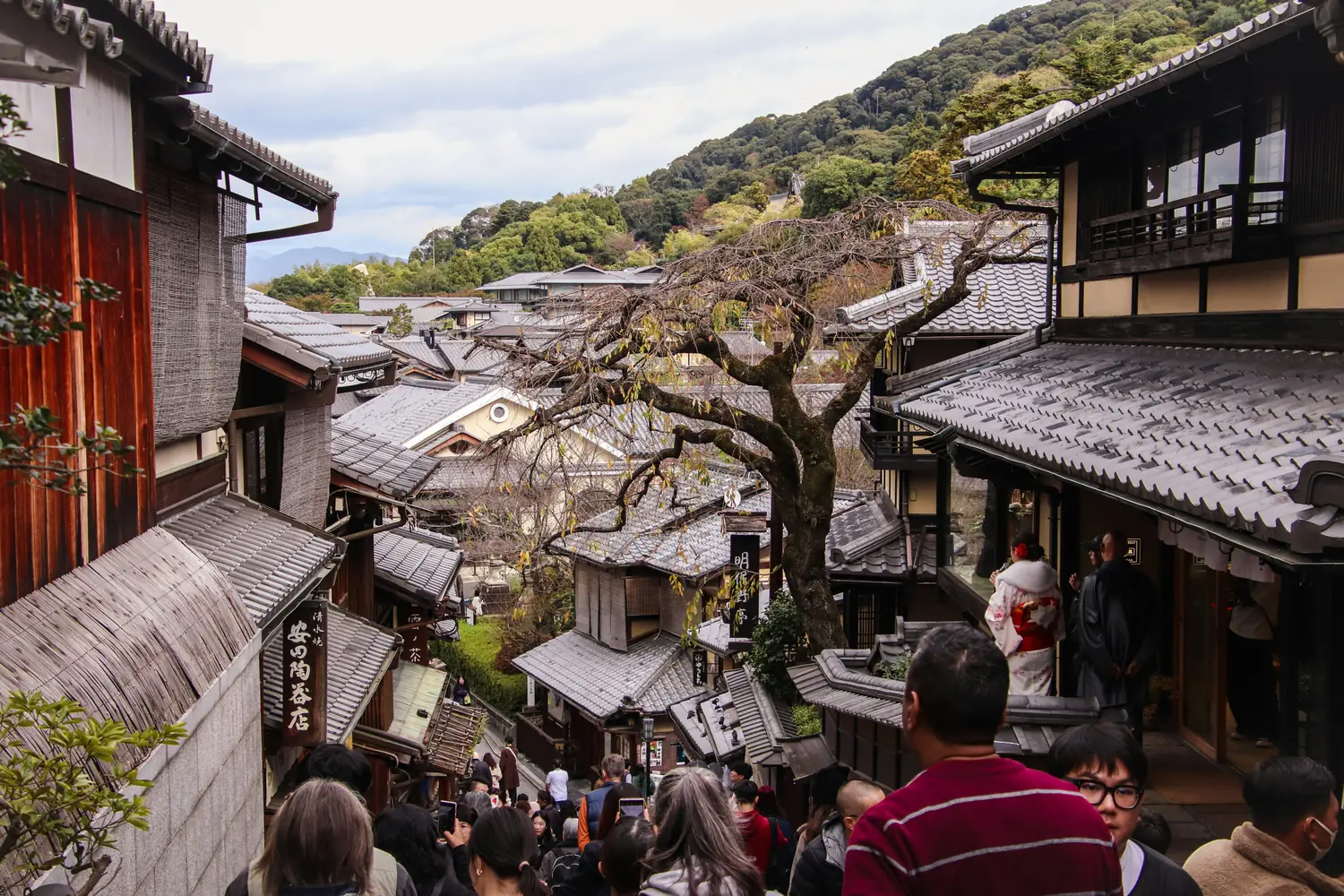
Your adventure begins in the historic village of Tsumago-juku, located in Nagano Prefecture. This well-preserved post town from the Edo period offers a glimpse into Japan's past. Spend your first afternoon exploring the cobblestone streets lined with traditional wooden inns and shops.
- Must-See: The Tsumago-juku Honjin, a former inn for government officials, now a museum displaying artifacts from the Edo era.
- Culinary Highlight: Enjoy a meal at one of the local teahouses. Try gohei mochi, rice cakes coated with a sweet soy glaze, grilled over an open flame.
In the evening, rest in a traditional ryokan (inn), where tatami mats and futon beds offer an authentic Japanese lodging experience.
Day 2: Cultural Immersion in Narai-juku
On your second day, travel to Narai-juku, another gem of the Kiso Valley. Known as the 'Town of a Thousand Houses,' Narai-juku enchants visitors with its Edo-period architecture and serene ambiance.
- Cultural Activity: Participate in a Kiso lacquerware workshop. Learn about this traditional craft and create your own piece to take home.
- Food Experience: Delight in soba noodles, made from buckwheat flour. Visit a local restaurant where you can watch artisans prepare this dish with precision and skill.
Day 3: Nature and Tranquility in Shirakawa-go
Head to Shirakawa-go, a UNESCO World Heritage site famous for its distinctive gassho-zukuri farmhouses. These steeply pitched roofs resemble hands in prayer and are designed to withstand heavy snowfall.
- Explore: Walk through the Ogimachi village, visiting the Wada House, an iconic example of gassho-zukuri architecture.
- Dine: Sample local specialties like hoba miso, a dish cooked on magnolia leaves over an open fire.
Spend your night in one of these historical farmhouses for a truly immersive stay.
Day 4: Craftsmanship and Artistry in Takayama
Continue to Takayama, known for its skilled artisans and traditional crafts. The morning market along the Miyagawa River offers fresh produce and handmade goods.
- Visit: The Takayama Yatai Kaikan, where intricately decorated festival floats are displayed year-round.
- Taste: Relish the flavor of Hida beef, regarded as one of Japan's top wagyu varieties, at a local grill restaurant.
Consider attending a hands-on pottery class, where you can mold and paint your own ceramic pieces under expert guidance.
Day 5: Serene Escapes in Gokayama
The next stop is Gokayama, another UNESCO-listed village, similar yet distinct from Shirakawa-go. Known for its pristine landscapes and traditional industries like washi paper making.
- Engage: Visit a washi paper workshop. Participate in the papermaking process and learn about its cultural significance.
- Culinary Delight: Taste the hearty sansai soba, a buckwheat noodle dish featuring mountain vegetables.
Day 6: Spiritual Journeys in Iya Valley
Iya Valley is renowned for its dramatic scenery and deep-rooted legends. This remote area offers spiritual retreats and opportunities for quiet reflection.
- Adventure: Cross the vine bridges known as kazurabashi, crafted from mountain vines over the Iya River.
- Nourishment: Savor the simplicity of soba sushi, rolled with locally grown soba leaves.
The valley is dotted with rustic onsen (hot springs), perfect for unwinding after a day of exploration.
Day 7: Farewell in Kurashiki
Your final day takes you to Kurashiki, celebrated for its picturesque canal area lined with white-walled storehouses. A fusion of culture and commerce awaits as you stroll through this charming locale.
- Museum Visit: Explore the Ohara Museum of Art, Japan's first privately operated museum exhibiting Western art pieces.
- Culinary Experience: End your journey with a taste of Okayama prefecture's famous fruits such as peaches and muscat grapes served in various dessert forms.
Travel Tips for Your Japanese Village Tour
- Packing Essentials: Comfortable walking shoes are crucial due to uneven village paths. Bring layers as temperatures can vary widely between day and night.
- Cultural Etiquette: Always be respectful when visiting religious or historical sites. Bowing is customary when greeting or thanking locals.
- Transportation: Consider purchasing a JR Pass for efficient train travel between regions. Local buses connect many remote villages but check schedules carefully as they may be infrequent.
The Richness of Rural Japan Awaits
This itinerary offers more than just sightseeing; it's an invitation to dive deeply into Japan’s cultural heart. From age-old craftsmanship to culinary revelations, each village whispers tales of tradition and time-honored customs. As you close your journey through these pastoral treasures, you'll carry with you not just memories but an enriched perspective on what makes Japan uniquely captivating.