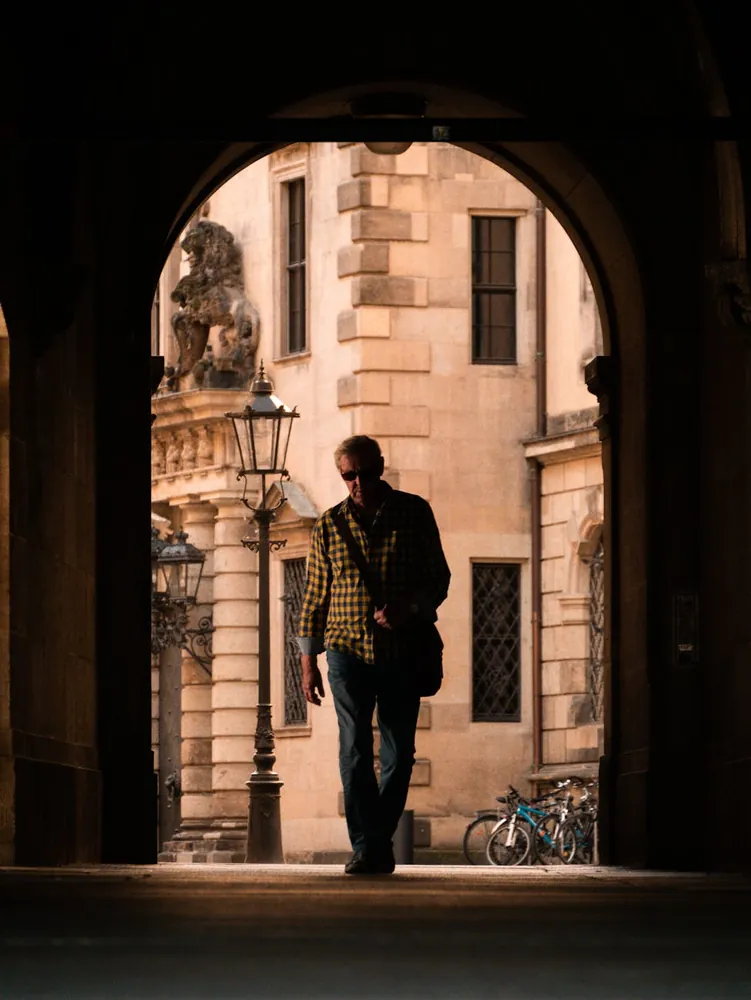
the dual appeal of historical authenticity in Europe's boutique hotel scene
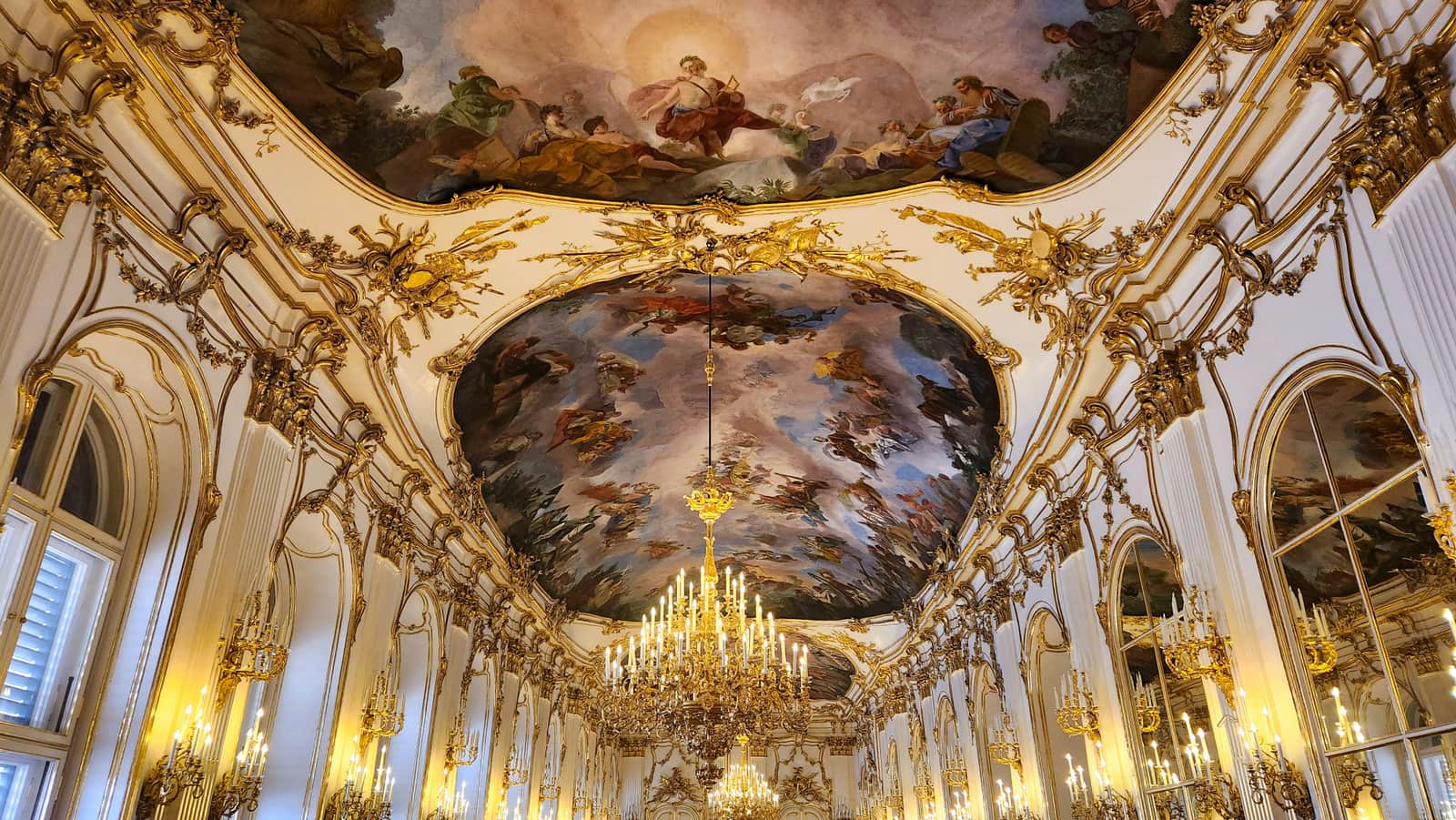
The Timeless Charm of Europe's Boutique Hotels
Europe, with its rich tapestry of history, has always been a beacon for travelers seeking more than just a bed to sleep in. The continent is peppered with boutique hotels that offer a blend of historical authenticity and modern comfort, turning a simple stay into an immersive experience.
These hotels often occupy buildings that have stood for centuries, exuding stories from their walls that lure guests into a journey through time. However, this dedication to historical authenticity presents unique challenges, particularly when it comes to balancing the preservation of heritage with the expectations of contemporary travelers.
Preserving History: The Core Appeal
Take, for instance, the Hotel Drei Raben in Nuremberg, Germany. Situated in a city teeming with medieval architecture, this boutique hotel is set within a building that dates back over 500 years. Each room tells a different story from Nuremberg's rich past, with tales ranging from the legend of Albrecht Dürer to the city's role in the Holy Roman Empire.
What makes such places stand out is their commitment to preserving historical elements. Original wooden beams, antique furnishings, and even medieval frescoes are not just remnants of the past but integral parts of the guest experience. Staying here means sleeping under the same roof that housed generations long gone, an experience further enriched by stories spun into the very fabric of the building.
A Showcase of Architectural Styles
Europe's boutique hotels are also a testament to its diverse architectural styles. In Spain, the Parador de Granada, located in an ancient convent within the Alhambra Palace complex, showcases stunning Moorish architecture with intricate woodwork and sweeping arches. Guests are surrounded by history as they dine with views of the Nasrid Palaces and Generalife Gardens.
Meanwhile, the Hôtel du Petit Moulin in Paris offers a starkly different yet equally captivating experience. Housed in a former bakery from the 17th century, the hotel melds classic French architecture with the bold interior designs of Christian Lacroix. This fusion creates a vibrant space that feels both historically rich and refreshingly modern.
The Modern Traveler's Dilemma: Authenticity vs. Amenities
While historical authenticity is a significant draw, it can sometimes be at odds with modern amenities. Many guests desire the charm of staying in a centuries-old structure but expect contemporary conveniences like high-speed Wi-Fi, air conditioning, and luxurious bathrooms. The challenge for hoteliers lies in integrating these facilities without compromising the integrity of the historic setting.
Consider the Hotel Adler Cavalieri in Florence, Italy. Located in a building from the late 19th century, this hotel manages to maintain its historical ambiance while offering guests modern comforts. Through innovative design solutions, they have incorporated air conditioning systems that do not interfere with the aesthetics or structure of the original building.
Innovative Solutions for Heritage Hotels
Several strategies can be employed to ensure that modern amenities blend seamlessly into historical settings:
- Discrete Technology Integration: Using compact and unobtrusive technology solutions ensures that modern amenities remain hidden yet effective.
- Sensitive Renovation Techniques: Employing restoration experts who specialize in historical structures can help preserve key features while allowing necessary updates.
- Clever Use of Space: Redesigning internal layouts to incorporate en-suite bathrooms and other amenities without altering historical façades.
The balance between maintaining authenticity and providing modern comfort is delicate but achievable. Hotels like these demonstrate that it is possible to celebrate history while embracing contemporary luxuries.
Experiential Travel: Beyond Mere Accommodation
For many travelers, boutique hotels are more than just places to stay—they offer experiences that elevate their journey. The Rookery Hotel in London’s Clerkenwell district exemplifies this approach. Its intimate ambiance and period furniture give guests a glimpse into Victorian-era London, while the hotel’s cozy library and parlors encourage relaxation and reflection.
This focus on experiential travel is not limited to the building itself. Many boutique hotels offer curated experiences that align with their historical narratives. At Ballyfin Demesne in County Laois, Ireland—a restored Regency mansion—guests can partake in activities such as falconry and boating on its private lake, echoing leisure pursuits from its heyday.
Cultural Immersion Through Storytelling
A growing trend among these establishments is leveraging storytelling to enrich guest experiences:
- Themed Rooms: Creating rooms that each tell a unique story tied to local history or folklore can make every stay unique and memorable.
- Historical Tours: Offering guided tours of the property or surrounding area to educate guests about its past and significance.
- Culinary Experiences: Serving dishes inspired by historical recipes or local traditions adds another layer to cultural immersion.
This storytelling aspect allows guests to engage with history on a personal level, transforming their stay into an unforgettable narrative they become part of.
The Economic Impact: Sustaining Heritage Through Tourism
Boutique hotels also play a pivotal role in sustaining local economies and preserving cultural heritage. By choosing to stay in these unique accommodations, travelers contribute directly to conservation efforts and the revitalization of historic neighborhoods.
The Sextantio Albergo Diffuso in Abruzzo, Italy, exemplifies this model. It has revitalized an abandoned medieval village by transforming it into a scattered hotel, where rooms are spread across several traditional stone houses. This project has not only preserved local architecture but also provided jobs and invigorated community life.
The Importance of Sustainable Practices
Sustainability is becoming increasingly important for boutique hotels aiming to preserve their historical integrity while minimizing their environmental footprint:
- Energy Efficiency: Implementing renewable energy sources like solar panels carefully integrated into historical structures.
- Local Sourcing: Using local materials and products reduces carbon footprint and supports nearby artisans and farmers.
- Waste Reduction: Adopting practices like composting and recycling to minimize waste output.
By committing to sustainability, these hotels ensure their longevity and continued contribution to cultural preservation.
Conclusion: A Bridge Between Past and Present
The allure of Europe’s boutique hotels lies in their ability to transport guests through time while offering all the comforts expected by today’s travelers. By skillfully balancing historical authenticity with modern amenities, these establishments provide unique stays that are as enriching as they are comfortable.
This dual appeal not only enhances guest experiences but also plays a crucial role in preserving Europe’s vast cultural heritage for future generations. As travelers continue to seek meaningful connections with their destinations, boutique hotels will remain at the forefront of experiential travel, crafting stories as timeless as the buildings they occupy.