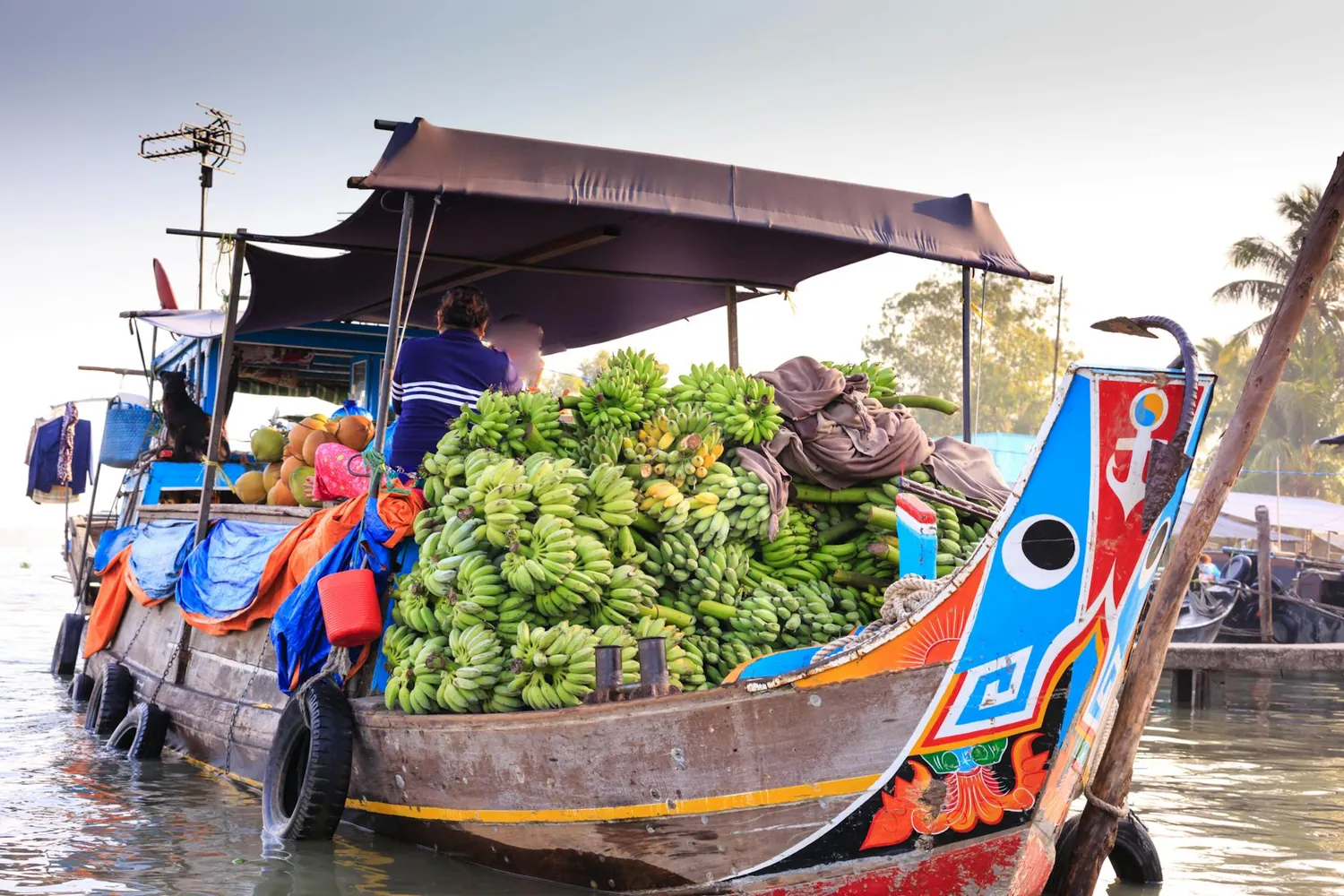
a closer look at how boutique hotels reflect coastal identity

Discovering the Coastal Charm of Boutique Hotels
Boutique hotels in coastal cities offer a unique window into the local culture, setting themselves apart from larger hotel chains by their distinctive styles and personalized experiences. These hotels act as cultural ambassadors, blending their design aesthetics with the very essence of their surroundings. By choosing a boutique hotel, travelers can immerse themselves in an environment that reflects the heritage and identity of the location, enhancing their travel experience beyond just a place to sleep.
Elements of Coastal Identity in Hotel Design
The design of a boutique hotel is central to its ability to convey a coastal identity. Key elements often include the use of local materials, incorporation of marine colors, and architectural styles that reflect the regional heritage. For example, a boutique hotel on the Amalfi Coast might feature terracotta floors, whitewashed walls, and ceramic tiles in vibrant blues and greens, echoing the Mediterranean landscape. By weaving local craftsmanship into their interiors, these hotels provide guests with an authentic sense of place.
Case Study: Hotel San Cristóbal, Baja California Sur
Nestled along the Pacific coast in Todos Santos, Mexico, Hotel San Cristóbal offers a perfect case study in blending coastal identity with modern luxury. Designed by Lake|Flato Architects, this hotel uses local Baja desert landscaping combined with oceanic motifs to create a serene retreat. With decor featuring artisanal Mexican crafts and textiles, the hotel evokes a sense of tranquility and connection to its natural surroundings.
Engaging with Local Culture Through Unique Experiences
Boutique hotels often go beyond visual aesthetics to offer experiences that engage guests with local culture. Whether through curated local tours, partnerships with nearby artisans, or hosting traditional music nights, these hotels provide avenues for deeper exploration. For instance, a boutique hotel in Cape Cod might offer guided walks through historic lighthouses or seafood cooking classes led by local chefs.
Local Culinary Delights
A significant part of experiencing a region's culture comes through its food. Many coastal boutique hotels have embraced this by incorporating locally sourced ingredients into their menus, often highlighting seafood or regional specialties. For example, at the Beach House Hotel Hermosa Beach in California, guests can savor dishes crafted from fresh Pacific-caught fish and locally farmed vegetables. This not only supports local producers but also gives guests a taste of the coastal lifestyle.
Designing Personalized Guest Experiences
Boutique hotels thrive on personalization, offering services that cater to individual guest preferences. This could include customized room amenities, bespoke itineraries focusing on personal interests, or special arrangements for events such as anniversaries or proposals. Such attention to detail ensures that each stay feels unique and memorable.
Embracing Sustainability
Sustainability is becoming increasingly important in the hospitality industry, especially for boutique hotels located in ecologically sensitive coastal areas. These hotels often implement eco-friendly practices such as using solar panels, rainwater harvesting systems, and organic linens to minimize their environmental impact while preserving the natural beauty that surrounds them.
Example: Hix Island House, Puerto Rico
On the island of Vieques in Puerto Rico, Hix Island House stands as an exemplary model of sustainable hospitality. The hotel's minimalist architecture is designed to harness natural ventilation and light, reducing energy consumption significantly. Guests are encouraged to participate in the hotel's sustainability programs by using provided reusable water bottles and learning about local conservation efforts.
Choosing the Right Boutique Hotel
When selecting a boutique hotel for your next coastal getaway, consider the following factors:
- Location: Proximity to key attractions can enhance your travel experience, whether it's beachfront access or closeness to historic sites.
- Design and Ambience: Look for hotels whose aesthetics resonate with your personal style and offer a genuine reflection of the local culture.
- Amenities: Evaluate what facilities and services are most important to you—be it a spa, wellness programs, or family-friendly activities.
- Sustainability Practices: If environmental responsibility is important to you, investigate the hotel's sustainability initiatives before booking.
By considering these aspects, you'll find a boutique hotel that not only meets your accommodation needs but also enriches your overall travel experience.
Conclusion
Boutique hotels in coastal regions play a pivotal role in encapsulating and showcasing the unique identity of their locations. Through thoughtful design, cultural engagement, personalized services, and sustainable practices, these establishments offer travelers an unparalleled way to connect with their destination. As you plan your next adventure by the sea, let these distinctive accommodations be your gateway to a deeper understanding and appreciation of coastal life.