uncover the intricate ties between Scotland's whisky and its heritage
The Essence of Scottish Whisky
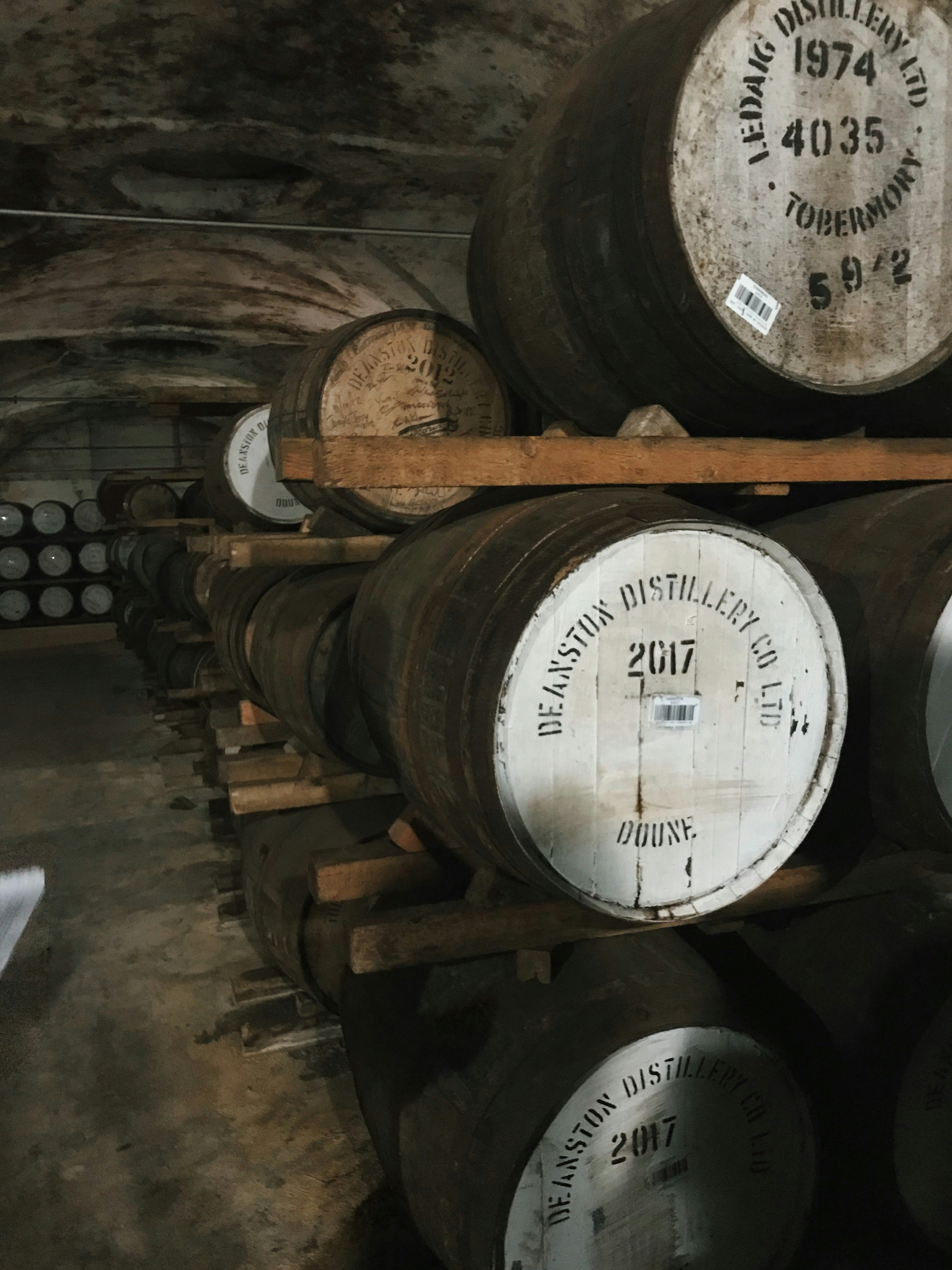
Scotland's whisky is not just a beverage; it's a deeply ingrained symbol of national pride and cultural identity. Often referred to as 'the water of life' or 'uisge beatha' in Gaelic, whisky has played a significant role in Scotland's history, economy, and even its literature and music. To truly understand Scotland, one must appreciate its whisky, which tells stories of landscapes, weather, and tradition.
Embarking on Whisky Tours
One of the best ways to immerse oneself in the world of Scottish whisky is through a distillery tour. These tours offer visitors not only the chance to see how whisky is made but also to hear tales of its historical significance. Here’s a guide to getting the most out of your whisky tour experience:
- Choose Your Region Wisely: Each of Scotland’s whisky-producing regions offers a distinct style and character. Whether it’s the smoky Islay malts or the sweet Speyside whiskies, deciding what you want to explore will help tailor your experience.
- Book in Advance: Distilleries can be popular tourist spots, especially during peak seasons. Booking in advance ensures you get a spot on your preferred tour.
- Plan Your Travel: Some distilleries are located in remote areas with limited public transportation options. Renting a car might be necessary to reach certain places.
Iconic Distilleries to Visit
The Glenfiddich Distillery
Located in Dufftown, often referred to as the ‘Whisky Capital of the World,’ Glenfiddich is a staple in any whisky lover’s itinerary. Visitors can enjoy a comprehensive tour that delves into every step of their production process, followed by tastings that allow you to appreciate different ages of whisky.
Lagavulin Distillery
Situated on the island of Islay, Lagavulin offers a glimpse into the world of peaty, smoky whiskies. The coastal setting enhances the sensory experience, making their aged whiskies feel even more robust.
The Macallan Estate
Nestled in the picturesque region of Speyside, The Macallan provides an elegant tour experience with its modern architecture juxtaposed against traditional techniques. Their approach to maturation and barrel selection highlights the intricacies involved in creating a premium spirit.
Understanding Regional Variations
Scottish whisky is divided into five main regions: Highland, Lowland, Speyside, Islay, and Campbeltown. Each region imparts unique flavors based on factors such as geography, climate, and local traditions. Here's a brief overview:
- Highland: Known for its diverse flavors ranging from floral and fruity to rich and peaty.
- Lowland: Typically lighter and more delicate, making it an excellent introduction for newcomers to whisky.
- Speyside: Famous for sweet single malts with notes of honey, vanilla, and fresh fruits.
- Islay: Recognized for powerful peaty flavors with smoky and briny notes.
- Campbeltown: Offers a complex profile often described as salty with hints of seaweed and smoke.
A Journey Through History
The origins of whisky in Scotland are somewhat shrouded in mystery but likely date back to at least the 15th century. It was used initially for medicinal purposes before gaining popularity as a recreational drink. Over centuries, whisky production has been refined, regulated, and celebrated, playing a pivotal role during both prosperous and challenging times in Scotland.
For those keen on exploring beyond the glass, visiting museums like the Scotch Whisky Experience in Edinburgh provides context on how whisky shaped both local economies and international trade.
Cultural Significance and Traditions
The Scottish have long-held traditions involving whisky that are still honored today. It's customary to offer guests a dram upon entering one's home—a gesture of friendship and hospitality. Whisky is also central to many cultural events, including Burns Night, where people gather to celebrate the life and works of poet Robert Burns while enjoying traditional Scottish food paired with local whisky.
As you partake in these rituals, you'll begin to see how whisky acts as a thread connecting Scotland’s past with its present.
Tasting Tips for Travelers
If you're new to whisky or looking to refine your palate during your travels, consider these tips:
- Start Light: Begin with lighter whiskies such as those from the Lowlands before moving to richer varieties like those from Islay.
- Avoid Distractions: Focus on the aromas and flavors without any strong-smelling items nearby that could overpower your senses.
- Add Water Sparingly: A drop of water can open up the flavors of some whiskies without diluting their complexity.
The Responsible Traveler's Checklist
When exploring Scotland's whisky culture, ensure your visit is responsible and respectful:
- Savor Responsibly: While tastings are part of the experience, drink in moderation and know your limits.
- Support Local Businesses: Purchase locally-made products and eat at local eateries to contribute to the community's economy.
- Respect Traditions: Be aware of cultural practices related to whisky consumption.
The Lasting Impact of Whisky Tourism
The whisky industry not only boosts tourism but also supports countless jobs across Scotland—from farmers growing barley to craftsmen creating barrels. As you travel through this majestic country, recognizing the significance of this industry helps deepen your appreciation for Scotland’s rich cultural tapestry.