savoring seafood: traditions and tastes of global coastal towns
The Rich Tapestry of Coastal Seafood Traditions
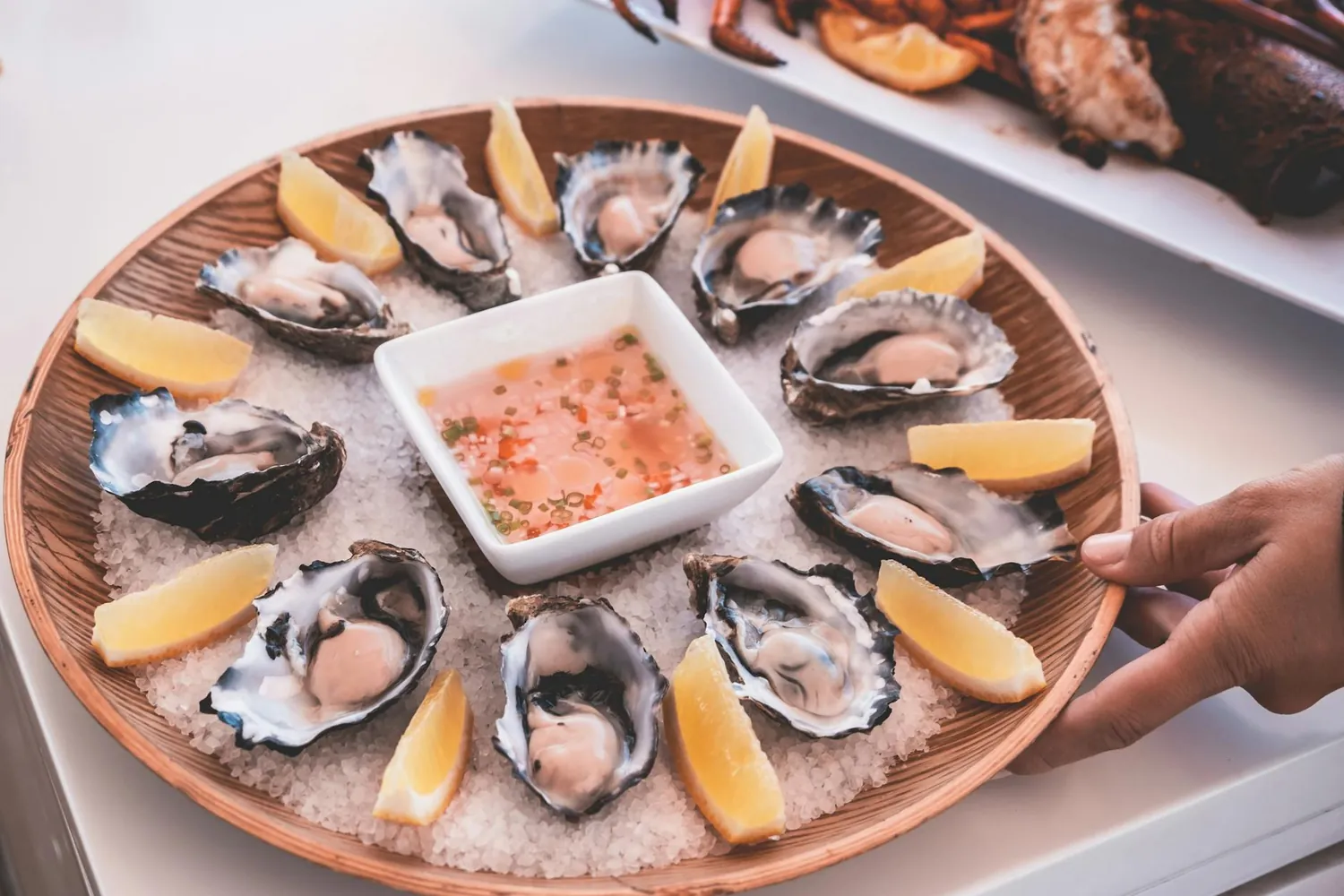
Exploring the culinary landscape of coastal towns provides an enriching experience that goes beyond mere taste. These regions boast a rich tapestry of traditions and flavors that are deeply intertwined with their history and way of life. From the bustling markets of Asia to the serene ports of Europe, each coastal town offers a unique slice of seafood heritage worth savoring.
Understanding Local Seafood Dishes
Coastal towns around the globe have developed distinctive seafood dishes that reflect local culture and the bounty of nearby waters. The choice of seafood, methods of preparation, and accompanying ingredients all tell a story about the region's history and environment.
Mediterranean Flavors: Bouillabaisse in Marseille
The iconic bouillabaisse from Marseille, France, is a perfect example. Traditionally made with fish such as scorpionfish, conger eel, and sea robin, this hearty stew is flavored with saffron and served with rouille sauce. It's more than just a dish; it’s a symbol of the Mediterranean lifestyle.
Asian Delicacies: Japanese Kaiseki
In Japan, kaiseki embodies the art of seasonal dining, with seafood playing a starring role. A multi-course meal might include delicacies like sashimi, grilled fish, or simmered shellfish, each prepared with an emphasis on natural flavors and presentation.
Latin American Spice: Peruvian Ceviche
Peru's ceviche is a celebration of freshness, where raw fish is marinated in citrus juices and spiced with ají pepper. This dish offers a refreshing tang combined with a spicy kick, illustrating the vibrant spirit of Latin American cuisine.
Experiencing Seafood Through Local Markets
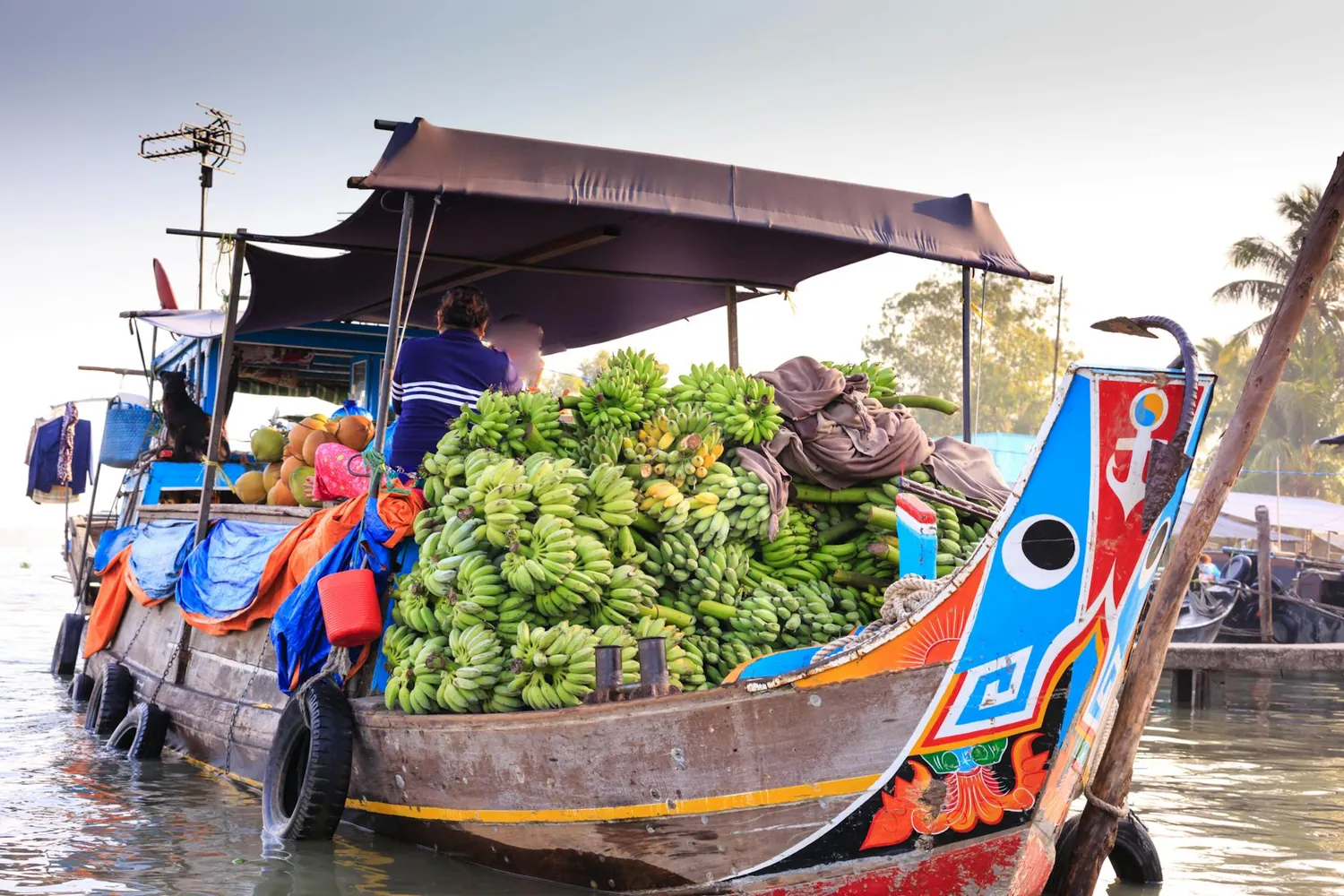
Visiting local markets is one of the best ways to immerse oneself in the culinary traditions of a coastal town. Markets provide not only fresh seafood but also insight into daily life and local customs. Here's how to make the most of your visit:
- Observe Seasonal Offerings: Take note of what’s in season. Local vendors will have fresh catches that reflect what's abundant during your visit.
- Engage with Vendors: Don’t hesitate to ask questions. Vendors can offer valuable insights into how locals cook and enjoy their seafood.
- Taste Samples: Many markets allow you to try before you buy. Sampling ensures you get a taste of authentic local flavors.
For instance, Tokyo's Tsukiji Market (now relocated to Toyosu) is renowned for its wide array of seafood. Witnessing the bustling tuna auctions at dawn provides a vivid introduction to Japan’s seafood culture.
Joining Food Tours for a Guided Experience
If navigating a market alone seems daunting, food tours offer a structured yet immersive experience. Guided by local experts, these tours often combine market visits with tastings at local eateries.
Why Choose Food Tours?
- Curated Paths: Guides know the best spots to visit, saving you time and ensuring you don’t miss out on hidden gems.
- Cultural Insights: Local guides provide context that enriches your understanding of the cuisine's history and significance.
- Tasting Variety: Tours usually include several tastings, allowing you to sample a broad spectrum of local flavors in one outing.
Consider a guided tour in Lima, Peru, where you can taste various versions of ceviche while learning about its cultural roots from knowledgeable locals.
Diving Deeper with Cooking Classes
Cooking classes offer travelers hands-on experience in crafting traditional seafood dishes. They’re ideal for those who wish to take home not just memories but skills they can use in their own kitchens.
Benefits of Cooking Classes
- Hands-On Learning: You learn by doing, which reinforces techniques and recipes more effectively than observation alone.
- Personalized Instruction: Instructors tailor their teaching to suit different skill levels and interests.
- Sensory Engagement: Engaging all senses enhances your appreciation and understanding of the cuisine.
For example, in Spain’s Basque Country, participating in a cooking class focused on pintxos (small snacks often featuring seafood) can deepen your appreciation for this regional specialty.
A Framework for Savoring Coastal Seafood Experiences
The richness of coastal cuisine can be fully experienced by combining visits to markets, joining food tours, and attending cooking classes. Here’s a practical framework for travelers:
- Research: Before your trip, investigate local specialties and identify renowned markets and reputable food tour operators.
- Plan Visits: Schedule your market visits early in your itinerary. This allows you to familiarize yourself with local ingredients from the get-go.
- Book Tours: Secure spots on food tours in advance to avoid last-minute hassles and ensure participation during peak seasons.
- Enroll in Classes: Choose cooking classes that focus on dishes you’re particularly interested in or that are unique to the region.
Conclusion: Celebrating Coastal Culinary Diversity
Savoring seafood in global coastal towns is an invitation to explore diverse cultures through your palate. Whether it’s enjoying bouillabaisse along France’s Mediterranean coast, tasting kaiseki in Japan, or crafting ceviche in Peru, each experience enriches your journey with stories told through flavor. By immersing yourself in local markets, guided tours, and interactive classes, you not only taste but also become part of the living tradition of coastal culinary art.