Learn to Cook Authentic Dishes with Local Ingredients in Hanoi
Discovering the Culinary Heart of Hanoi
Hanoi, Vietnam's bustling capital, is a city where history and modernity coalesce to offer a feast for the senses. The city's culinary landscape is a vibrant mosaic of flavors, steeped in tradition yet open to innovation. For travelers eager to delve into the local culture through its cuisine, there's no better way than participating in a cooking class.
Engaging in a cooking class not only helps you learn to make delicious dishes but also provides an intimate glimpse into the daily life and food traditions of the Vietnamese people. From navigating the lively local markets to mastering traditional cooking techniques, every step is a rich cultural exchange.
Sourcing Fresh Ingredients from Local Markets
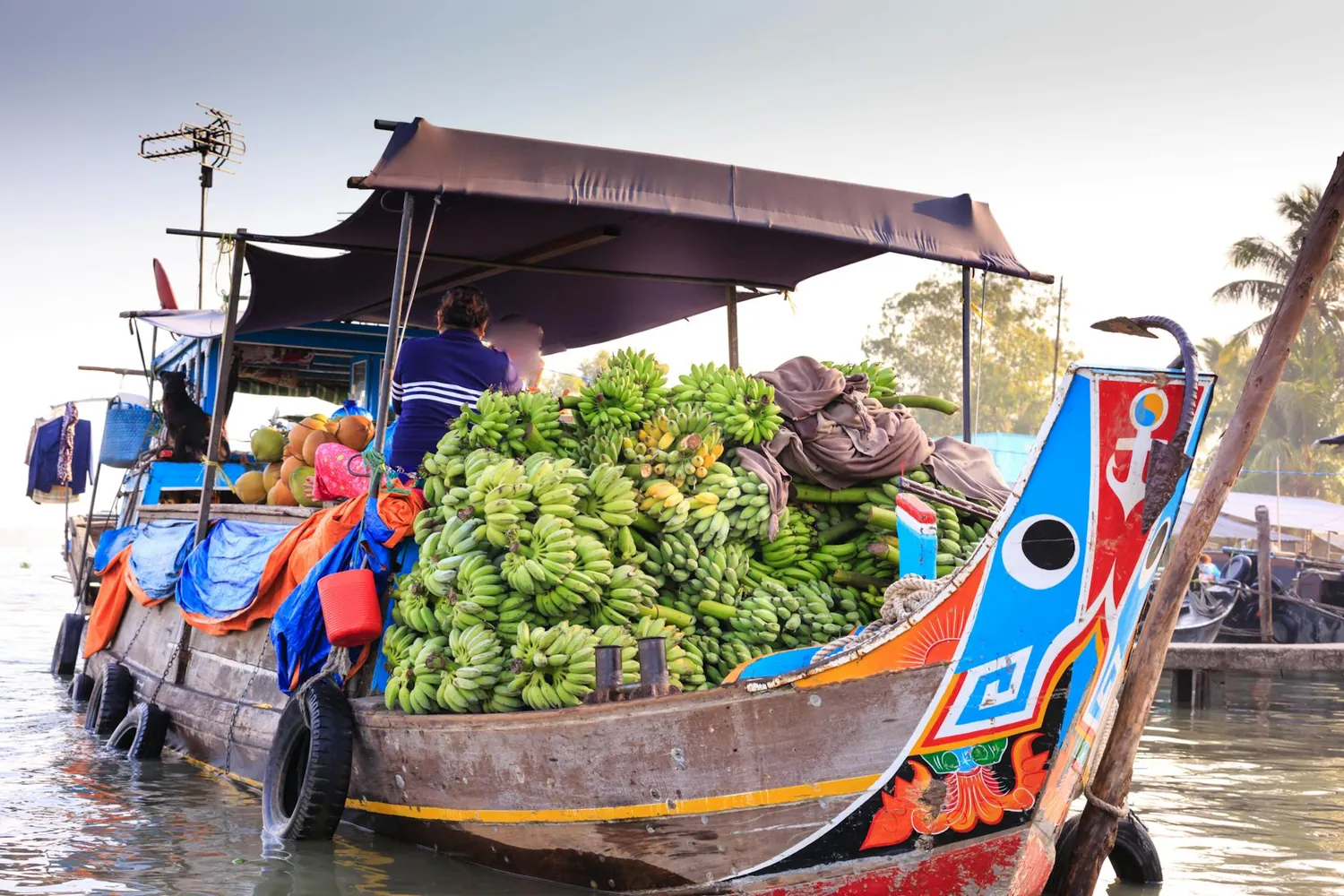
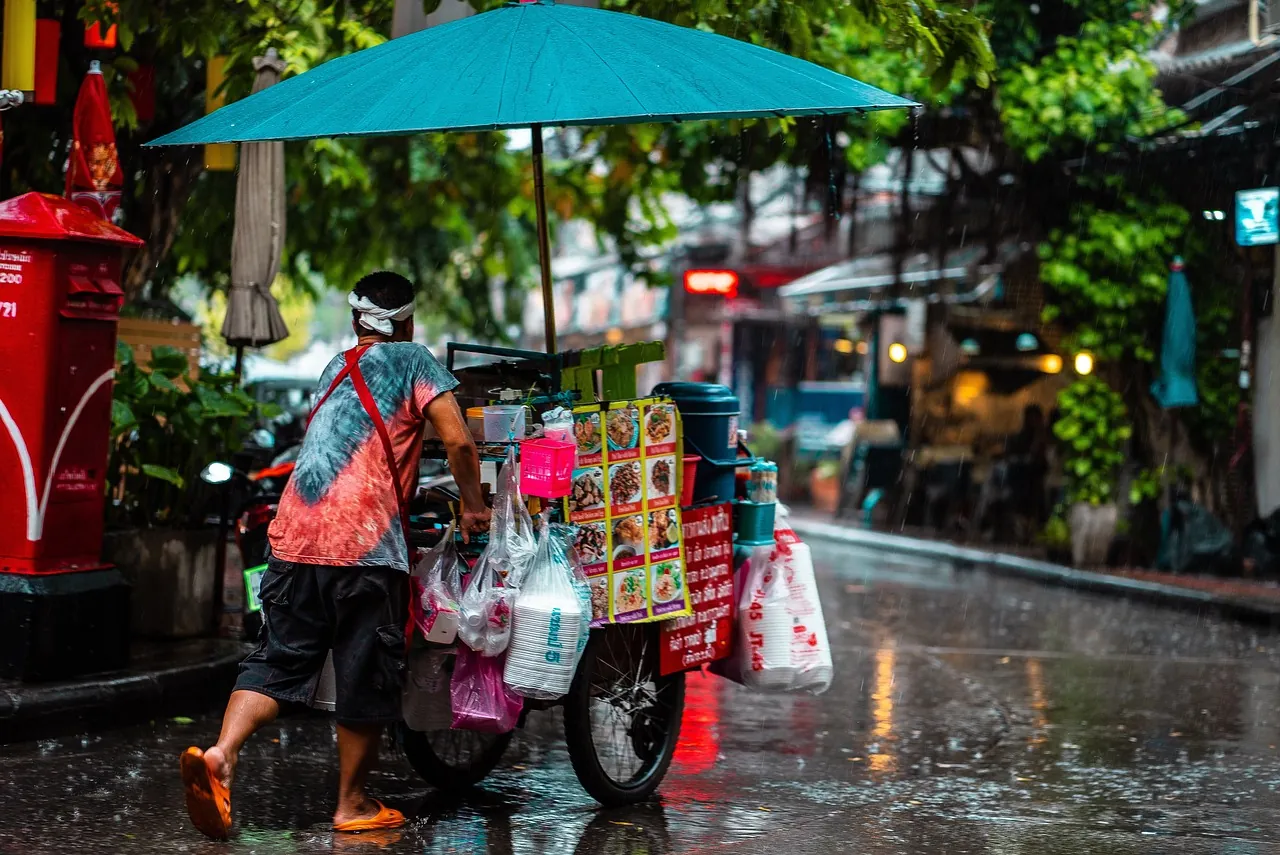
Your culinary journey begins with a visit to one of Hanoi's bustling markets. Here, amidst the cacophony of vendors hawking their goods, you'll find fresh herbs, vegetables, meats, and spices that are the lifeblood of Vietnamese cooking. This hands-on experience is essential for understanding the importance of ingredient quality and freshness in Vietnamese cuisine.
Some key ingredients you'll encounter include:
- Fish Sauce: A staple in every Vietnamese kitchen, this umami-packed condiment is used to add depth and complexity to dishes.
- Rice Noodles: Integral to many traditional dishes like Pho and Bun Cha.
- Fresh Herbs: Mint, cilantro, and Thai basil are frequently used to add aroma and flavor.
- Lime: Provides the necessary acidity to balance flavors.
- Chilies: For those who enjoy a spicy kick.
Your guide will teach you how to select the best produce and explain how different ingredients contribute to the balance of flavors in Vietnamese cooking—sweet, salty, sour, and spicy.
The Art of Vietnamese Cooking: A Hands-on Experience
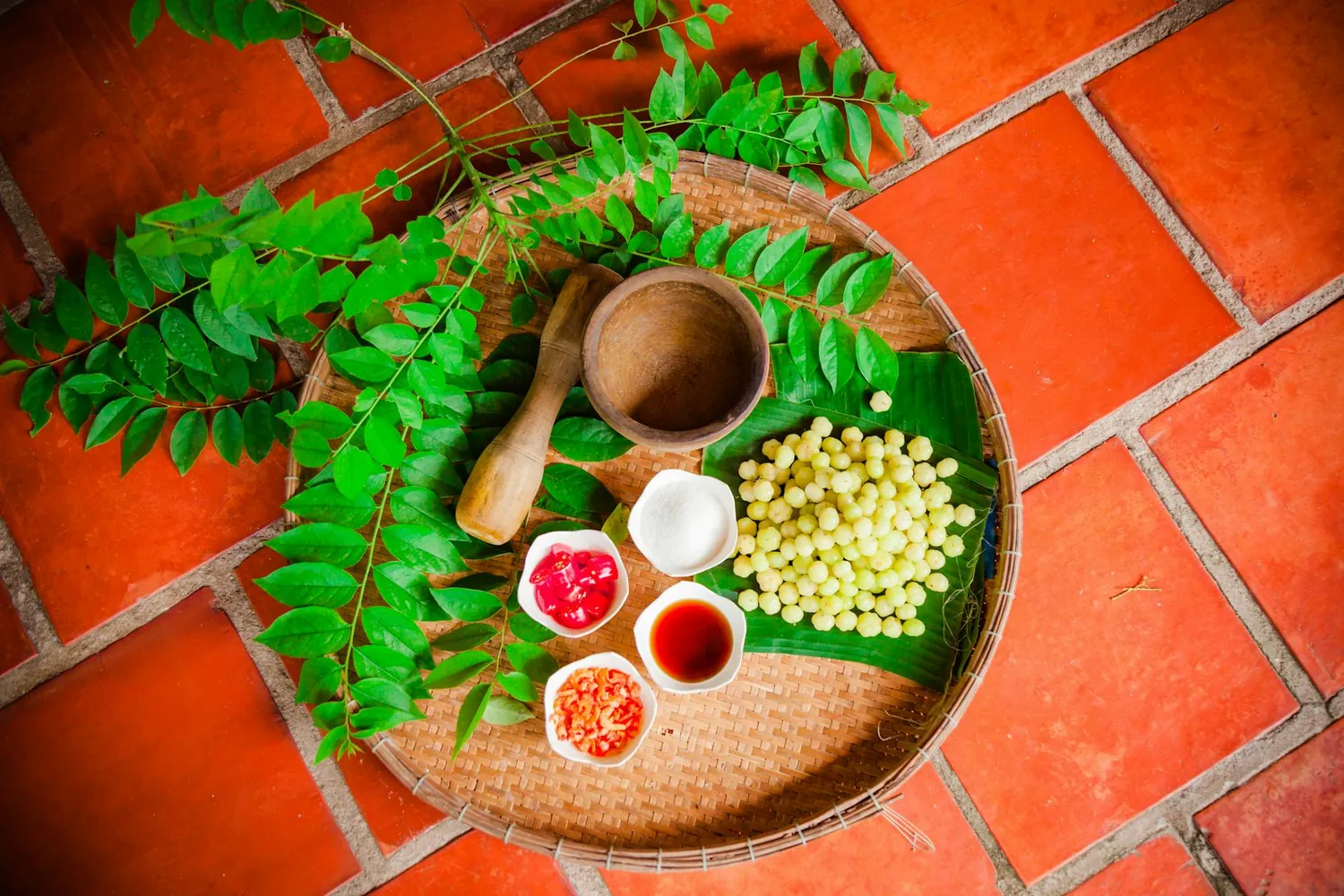
With your basket full of fresh ingredients, it's time to head to the cooking school. Here, you'll meet your chef—a culinary expert who will lead you through the process of creating authentic Vietnamese dishes. The setting is typically a traditional kitchen with all the necessary tools for an immersive experience.
Preparing Classic Dishes
Your class might start with a classic dish like Pho, a flavorful noodle soup considered Vietnam's national dish. You'll learn how to prepare the broth—a process requiring patience as beef bones simmer with ginger, onions, and spices for hours. Next, you’ll assemble the soup with rice noodles and thin slices of beef or chicken, garnishing with lime and herbs.
Another dish you might create is Bun Cha, a northern Vietnamese specialty consisting of grilled pork served over vermicelli noodles. The dish is accompanied by a side of dipping sauce made from fish sauce, vinegar, sugar, garlic, and chili.
Mastering Spring Rolls
No Vietnamese cooking class would be complete without making spring rolls. You’ll learn to wrap rice paper around a mixture of minced meat (often pork or shrimp), mushrooms, and vermicelli noodles. Once rolled, these are either fried or left fresh to be enjoyed as part of your meal.
Cultural Insights Through Cooking
A cooking class in Hanoi offers more than just recipes; it provides insight into the cultural significance of food in Vietnam. Meals here are communal affairs, with dishes shared among family and friends—a reflection of Vietnam’s collectivist culture.
The teacher will share anecdotes about Vietnamese customs and traditions related to food. For instance, you'll learn why certain dishes are prepared during specific festivals or the historical influences that shaped modern Vietnamese cuisine.
Practical Tips for Cooking Classes in Hanoi
To maximize your experience, consider these practical tips:
- Book in Advance: Popular classes fill up quickly, especially during peak tourist seasons.
- Dress Comfortably: Wear light clothing and comfortable shoes as you'll be on your feet for part of the class.
- Bring a Notebook: Jot down notes or recipes so you can replicate the dishes at home.
- Be Open-Minded: Embrace new flavors and cooking methods that may differ from what you're accustomed to.
A Mini-Framework for Culinary Enthusiasts
If you've been inspired by your cooking class in Hanoi and wish to continue exploring world cuisines through similar experiences, here’s a simple framework you can follow:
- Select a Destination: Choose a place known for its unique culinary offerings.
- Research Cooking Schools: Find reputable schools or chefs offering classes that focus on local ingredients and techniques.
- Engage Locals: Interact with market vendors and locals for insider tips on food culture.
- Create at Home: Try recreating the dishes once you're back home using locally sourced substitutes if necessary.
This approach not only enhances your travel experience but also enriches your culinary repertoire—making every meal an opportunity to reminisce about your travels.
Conclusion: Savoring Your Success
Your cooking class in Hanoi will likely culminate in enjoying the fruits of your labor. As you savor each bite of the meal you've created, you'll find it's not just about the flavors but the stories and skills you've gained along the way. Cooking with local ingredients under the guidance of skilled chefs provides a deeper understanding of Vietnamese culture while equipping you with skills that transcend borders. This immersive experience is one you'll cherish long after you've left Hanoi.