exploring authentic Thai cuisine through tours or cooking classes: a comparison
The Allure of Thai Cuisine
Thai cuisine is a symphony of flavors, marked by its dynamic balance of sweet, salty, spicy, and sour elements. For many travelers visiting Thailand, experiencing the country's culinary delights is a top priority. To truly understand Thai food, one must go beyond merely tasting dishes and delve into the ingredients, techniques, and cultural contexts that shape this rich culinary tradition.
Cultural Food Tours: Walking the Streets of Thai Gastronomy
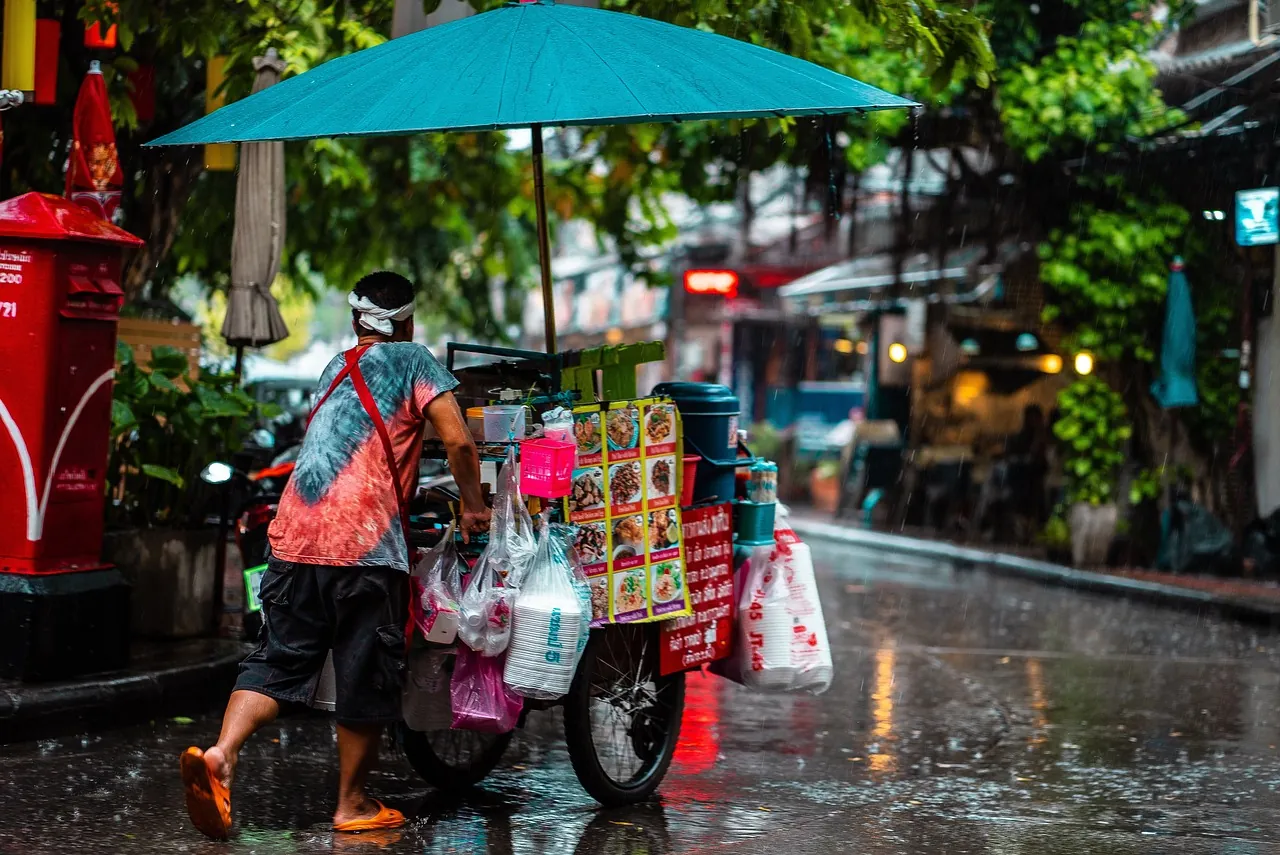
Cultural food tours offer an immersive way to explore Thai cuisine directly from its source. Guided by local experts, these tours take travelers through bustling markets and vibrant street stalls, providing a sensory experience that can't be replicated in a restaurant setting.
The Experience of a Cultural Food Tour
Imagine walking through Bangkok's famous Chatuchak Weekend Market, where the air is filled with the aroma of lemongrass and chili. A typical tour might include sampling classic dishes such as pad thai, som tam (papaya salad), or freshly made kanom krok (coconut pancakes). Each bite is accompanied by stories of origin, preparation methods, and cultural significance, turning every taste into a learning experience.
- Pros: Cultural immersion, variety of food samples, local insights.
- Cons: Limited hands-on involvement, potential for overwhelming sensory experience.
Practical Tips for Joining a Food Tour
To make the most of your food tour, consider these tips:
- Wear comfortable shoes: Most tours involve a lot of walking.
- Stay hydrated: The heat and spices can be intense.
- Come hungry but pace yourself: With numerous tastings, it's best to sample everything but not overindulge too early.
Hands-On Cooking Classes: From Market to Table
If you've ever wanted to recreate the magic of Thai food at home, a cooking class could be your ideal choice. These classes provide a comprehensive understanding of Thai cooking methods, including ingredient selection and preparation techniques.
The Structure of a Cooking Class
Most cooking classes begin with a trip to a local market. Here, participants learn how to select fresh herbs like coriander and kaffir lime leaves, spices such as galangal and turmeric, and staples like jasmine rice. Back in the kitchen, under the guidance of an experienced chef, students participate in preparing a full meal from scratch. Commonly taught dishes include tom yum goong (spicy shrimp soup) and green curry.
- Pros: Hands-on learning, detailed instruction on techniques, take-home recipes.
- Cons: Less exploration of different foods, usually higher cost.
Maximizing Your Cooking Class Experience
Here are some strategies to enhance your learning:
- Take notes: While chefs often provide recipe cards, jot down any additional tips.
- Engage with instructors: Ask questions about alternative ingredients and techniques.
- Focus on technique: Understanding methods can be more beneficial than memorizing recipes alone.
Which Experience is Right for You?
The choice between food tours and cooking classes depends on your personal interests and goals. If you're looking for a deeper cultural context and enjoy exploring a range of dishes without having to prepare them yourself, food tours are an excellent option. On the other hand, if you want to learn how to cook Thai food and bring those skills back home, cooking classes provide invaluable hands-on experience.
Cultural Depth vs. Culinary Skills
Cultural food tours often delve into the history and social aspects of food in Thailand, offering an understanding that goes beyond flavors. They allow travelers to witness the vibrant energy of local markets and streetscapes, making it easier to grasp why certain ingredients are staple or seasonal.
Cooking classes focus more on technique and replication. Travelers leave with practical skills that they can use to recreate their favorite dishes at home. These classes often end with a shared meal where participants can enjoy the fruits of their labor together.
Cost Considerations
The cost can vary significantly between these two experiences. A half-day food tour might range from $50 to $100 USD per person depending on the city and itinerary. Cooking classes tend to be more expensive due to the inclusion of market visits and materials, ranging from $70 to $150 USD per person.
The Best of Both Worlds
If time and budget allow, engaging in both experiences offers a comprehensive insight into Thai culinary culture. Begin with a food tour to immerse yourself in the flavors and aromas that define Thai cuisine. Follow this with a cooking class to translate those sensory experiences into skills you can share back home.
No matter which path you choose, both cultural food tours and cooking classes offer enriching ways to connect with Thailand's vibrant culinary heritage. As travelers return from their adventures with newfound knowledge and appreciation for Thai cuisine, they carry forward a piece of Thailand's cultural tapestry that can be tasted at home.