Comparing French Culinary Tours and Cooking Classes for Food Lovers

The Appeal of French Culinary Tours
France is synonymous with exquisite cuisine, and what better way to explore it than by embarking on a culinary tour? These tours offer travelers a chance to immerse themselves in the country's gastronomic heritage, from the bustling markets of Paris to the quaint vineyards of Bordeaux. They provide a unique opportunity to taste regional specialties while learning about the culture and history behind each dish.
What to Expect on a Culinary Tour
Typically, a French culinary tour lasts from a few days to a week, with itineraries crafted to include visits to local markets, wine tastings, and gourmet dinners at renowned restaurants. For example, a seven-day tour might start in Lyon, exploring its famous bouchons and food markets, followed by a scenic drive through Burgundy for wine tasting sessions and cooking demonstrations by Michelin-starred chefs.
Travelers can expect a mix of structured activities and free time, allowing them to soak in the atmosphere at their own pace. Most tours also include interactions with local chefs and artisans, providing insights into traditional cooking techniques that have been passed down through generations.
Pros and Cons of Culinary Tours
- Pros: Culinary tours are comprehensive, offering a wide range of food experiences in one package. They are ideal for those who want to taste as much as possible without the hassle of planning each detail.
- Cons: These tours can be pricey, often ranging from €2,000 to €5,000 per person. They may also be less flexible, with set itineraries that might not appeal to travelers who prefer spontaneity.
The Hands-On Approach: Cooking Classes
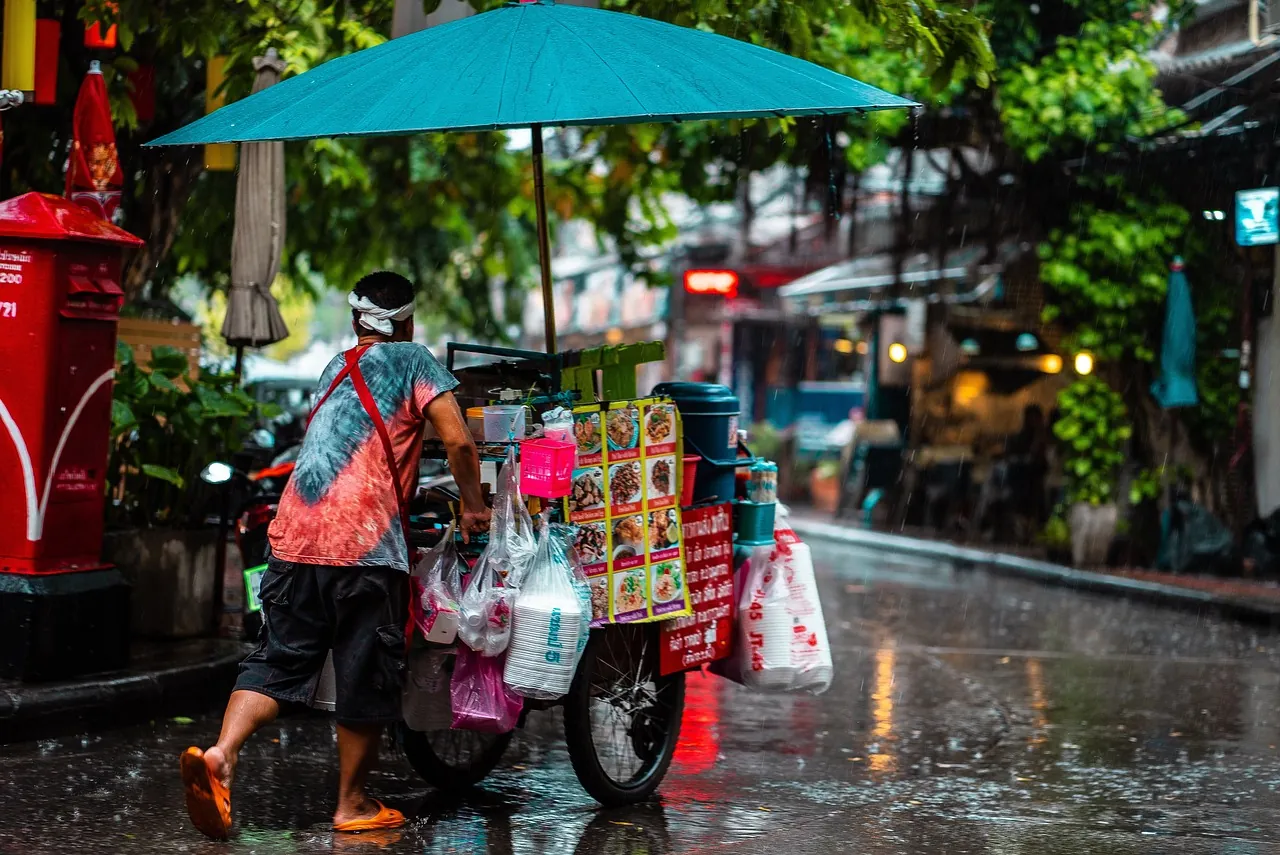
For those who prefer a more hands-on approach to learning about food, cooking classes offer an engaging way to delve deeper into a particular cuisine. Whether you find yourself in a rustic Italian kitchen or a bustling Thai cooking school, these classes focus on teaching specific techniques and recipes that you can replicate at home.
Global Cooking Class Destinations
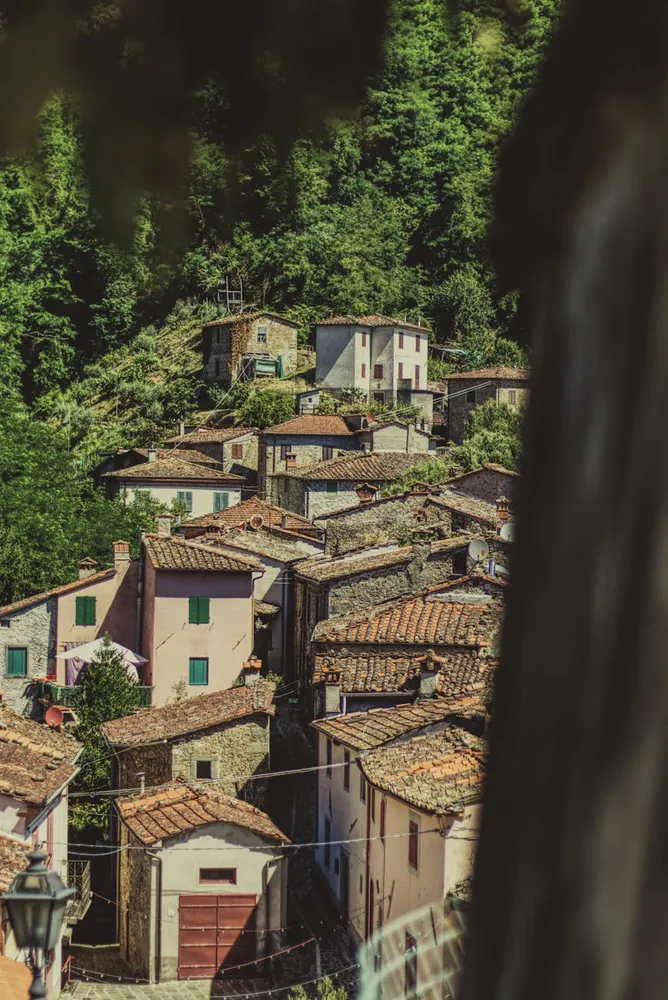
Cooking classes are available worldwide, each offering a taste of local flavors. In Italy, you might learn how to make authentic pasta from scratch in Tuscany. In Mexico, you could discover the secrets of perfecting mole sauce in Oaxaca. These classes usually last anywhere from a couple of hours to several days.
The format often includes an introductory market visit where participants learn to select ingredients, followed by a cooking session led by a local chef. The highlight is often the communal meal shared at the end, where participants savor the fruits of their labor together.
Pros and Cons of Cooking Classes
- Pros: Cooking classes are generally more affordable than full culinary tours, with prices ranging from €50 to €200 per session. They offer a practical skill that participants can use long after their travels end.
- Cons: The experience is more limited geographically, focusing intensely on a single type of cuisine or dish. This might not satisfy travelers eager for broader exploration.
Choosing Between Tours and Classes
The choice between a culinary tour and a cooking class ultimately depends on personal preferences and travel goals. If you're looking for an all-encompassing journey through France's culinary landscape, a tour might be more suitable. However, if you wish to acquire specific cooking skills from experts in intimate settings, opting for cooking classes could be more beneficial.
Factors to Consider
- Budget: Consider your budget constraints; tours tend to be more expensive but are inclusive of many activities and meals.
- Time: Assess how much time you have. Tours often require more extended commitments compared to individual classes.
- Interest: Decide whether you're interested in gaining broader cultural knowledge or focusing on specific culinary skills.
Conclusion: Embracing Both Worlds
Ultimately, embracing both culinary tours and cooking classes during your travels can provide a well-rounded experience. You might start your journey with a tour to sample the breadth of French cuisine and then hone specific skills through cooking classes either within France or in other countries renowned for their culinary heritage.
By understanding the strengths and limitations of each approach, food lovers can craft a travel itinerary that satisfies both their appetite for delicious experiences and their desire for cultural enrichment.