Connecting with Local Culture While Trekking Indonesia's Remote Volcanic Landscapes
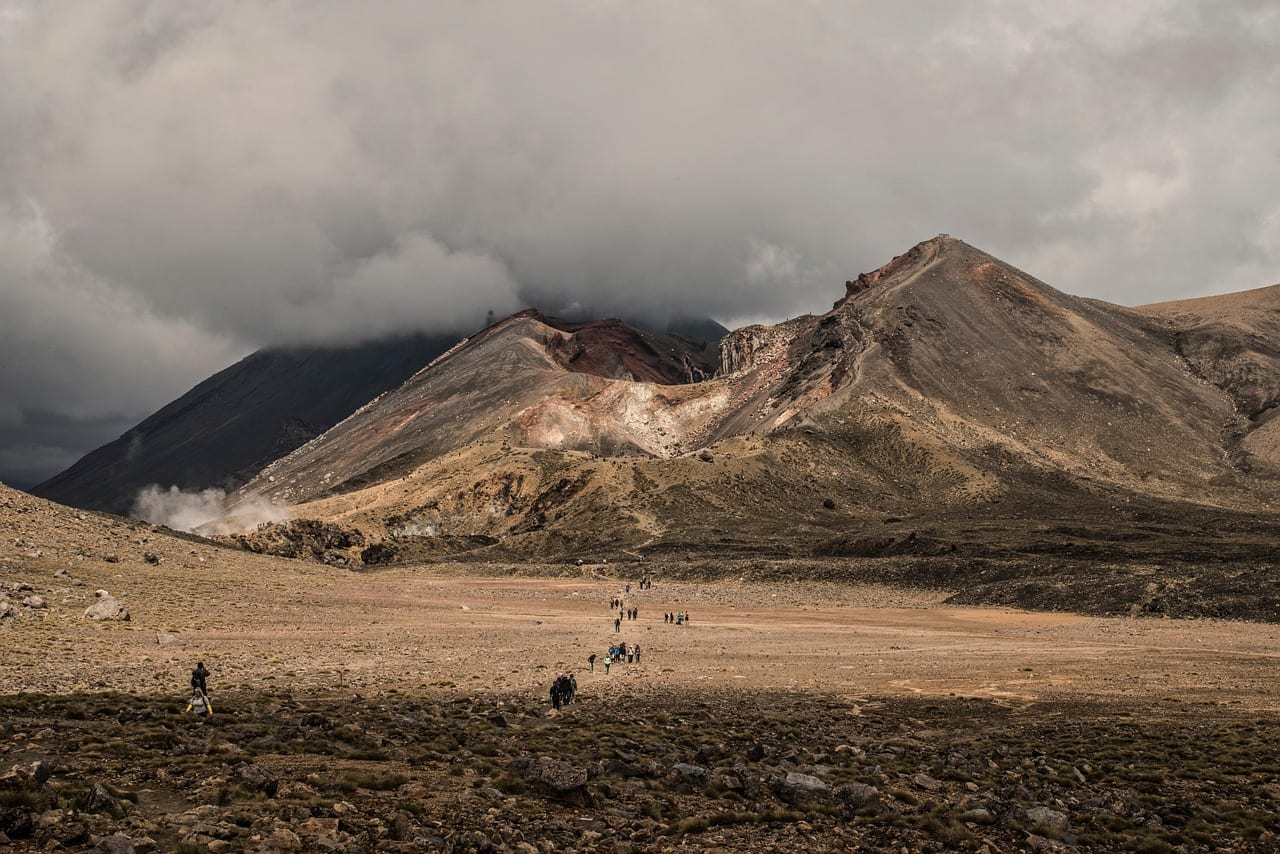
Exploring the Enchanting Volcanic Terrain of Sumbawa
Indonesia, an archipelago of over 17,000 islands, is famed for its diverse landscapes and rich cultural tapestry. Among these gems lies the lesser-known island of Sumbawa, a destination that promises not only breathtaking volcanic scenery but also an opportunity to connect deeply with local communities. Trekkers who venture here are rewarded with exclusive access to remote volcanic landscapes and profound cultural interactions.
The Majesty of Mount Tambora
Sumbawa is home to Mount Tambora, renowned for its cataclysmic eruption in 1815—the largest in recorded history. Today, it offers a surreal trekking experience, where climbers can explore lush forests, expansive calderas, and ultimately, panoramic views of the island and beyond. As you ascend, the transformation from dense greenery to rugged volcanic rock is a testament to nature’s transformative power.
Guided tours often start in the small village of Pancasila. Here, local guides, many of whom are descended from those who witnessed Tambora's eruption, share stories passed down through generations. These narratives provide a unique insight into the natural and cultural history of the region.
Engaging with Local Communities
Connecting with local culture goes beyond the trails. In Sumbawa, engaging with local communities is an integral part of the trekking experience. Villages like Pancasila and Doro Ncanga serve as gateways to the volcanoes, offering visitors a warm welcome and authentic insight into daily life on the island.
Participatory Tourism: An Authentic Cultural Exchange
Many tours integrate participatory experiences such as staying with local families or engaging in community-based projects. This not only enriches the travel experience but also ensures that tourism has a positive impact on local economies. Visitors might find themselves participating in traditional ceremonies or learning how to prepare local delicacies like 'sepat'—a savory dish made from young jackfruit.
- Home Stays: Staying with local families allows travelers to live like a local, sharing meals and participating in daily activities.
- Cultural Workshops: Learn traditional crafts or dance from community artisans and performers.
- Agricultural Visits: Explore rice paddies or coffee plantations and understand the agricultural practices that sustain these communities.
Responsible Trekking: Environmental and Cultural Preservation
Travelers are increasingly aware of their environmental footprint and cultural impact. In Sumbawa, responsible trekking initiatives are vital in preserving both the natural environment and the cultural heritage of local communities. Tour operators emphasize Leave No Trace principles and actively engage in reforestation projects around the volcanoes.
Supporting Sustainable Practices
Visitors can contribute to these efforts by choosing tours that prioritize sustainability. Look for operators that employ local guides, use eco-friendly practices, and reinvest a portion of their profits back into community projects. These initiatives ensure that while you enjoy Sumbawa's landscapes, you also contribute to their preservation for future generations.
The Role of Guided Tours
Guided tours play an essential role in providing access to Indonesia's remote volcanic regions while ensuring safety and cultural sensitivity. Experienced guides not only navigate the challenging terrain but also facilitate interactions with local communities, acting as cultural liaisons who bridge language barriers and foster mutual understanding.
Selecting the Right Tour
When selecting a tour, consider the following:
- Expertise of Guides: Ensure guides are certified and have extensive knowledge of both the terrain and local culture.
- Cultural Sensitivity: Choose operators who demonstrate respect for local customs and involve community leaders in planning tours.
- Group Size: Smaller groups often result in more personalized experiences and reduced environmental impact.
An example is Sumbawa Trails, a local tour operator committed to sustainable travel. They offer bespoke itineraries that blend trekking with cultural immersion, allowing trekkers to visit villages rarely seen by outsiders while contributing to local conservation efforts.
Conclusion: A Transformative Journey
Trekking Indonesia's remote volcanic landscapes offers more than just physical challenges and stunning vistas—it opens a gateway to understanding and connecting with the rich cultures that inhabit these lands. By choosing guided tours that prioritize cultural exchange and environmental stewardship, travelers can ensure their journey is not only unforgettable but also beneficial to the people and places they visit.