Essential Checklist for Traveling Europe on a Tight Budget
Setting the Stage for Your European Adventure
Traveling through Europe can be an exhilarating experience, but it often carries a hefty price tag. Fear not; with the right strategies, you can explore the continent without breaking the bank. In this guide, we'll delve into practical tips to help you save money on lodging, dining, and transportation as you journey through Europe's diverse cultures and landscapes.
Accommodation: Finding a Place to Rest Your Head
Hostels: More Than Just a Bed
Hostels have evolved from dingy dormitories to vibrant community hubs where travelers can share experiences and tips. Not only are they cost-effective, often ranging from €15 to €30 per night in major cities, but they also offer opportunities for socializing and networking with fellow travelers.
- Example: Hostels like Generator in cities such as Amsterdam or Dublin provide comfortable beds, modern facilities, and lively bars, making them excellent places for budget-conscious adventurers.
Couchsurfing: Experience Local Life for Free
Couchsurfing allows you to stay with locals who offer free accommodation. This not only helps you save money but also gives you a unique insight into local cultures and lifestyles. Sign up on Couchsurfing.com, create a genuine profile, and start connecting with hosts well before your arrival.
Budget Hotels and Airbnb
If hostels and couchsurfing aren't your style, budget hotels and Airbnb can be viable alternatives. Look for locations outside city centers to save money while still having access to essential amenities. Prices can vary widely, with Airbnb options starting at around €40 per night depending on location.
Dining: Savoring Europe Without Overspending
Embrace Street Food
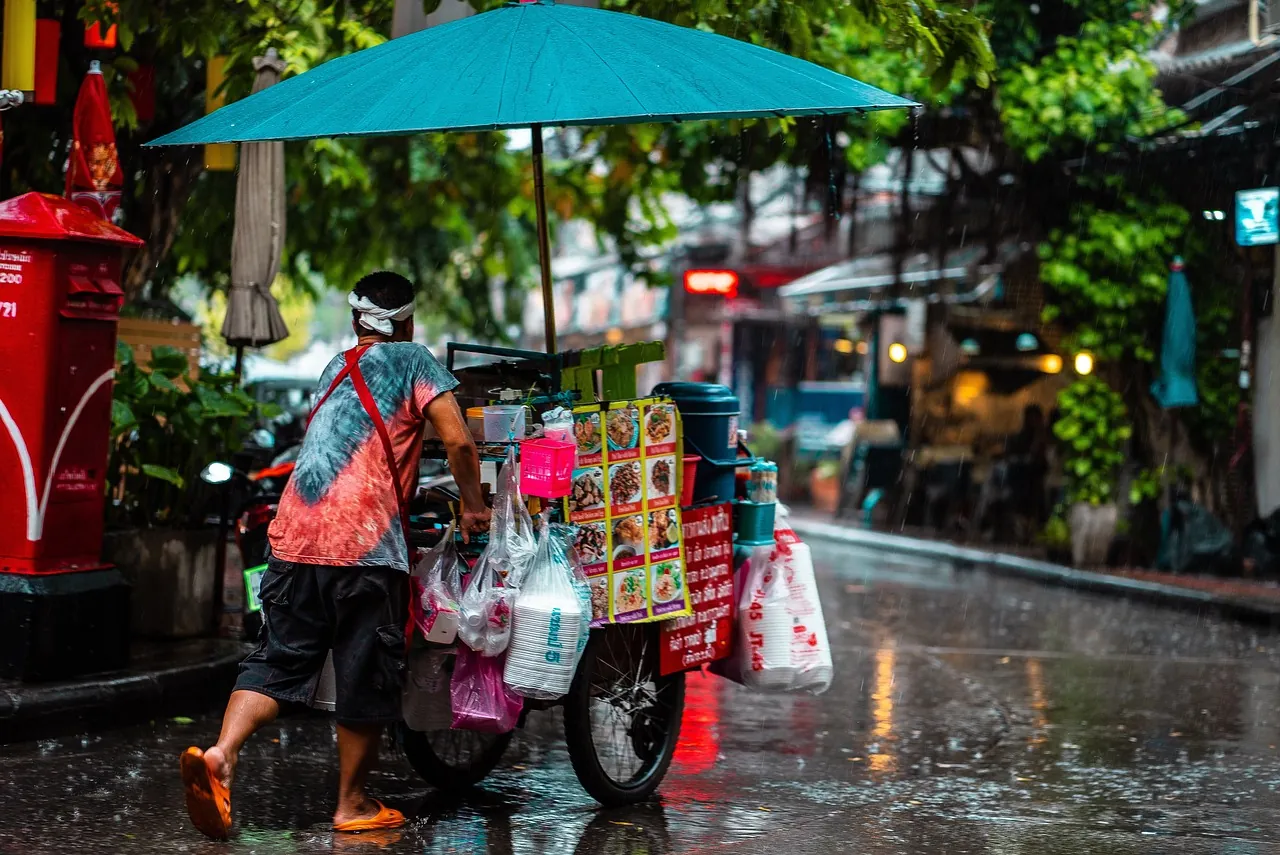
Street food is not only economical but also provides a delicious introduction to local cuisine. From Berlin’s currywurst to Portugal's pastel de nata, indulging in street food can help you stretch your euros while delighting your taste buds.
- Example: In cities like Athens, try the ubiquitous souvlaki stalls where you can get a satisfying meal for under €5.
Supermarkets and Picnics
For a more sustainable approach, visit local supermarkets to purchase fresh bread, cheese, meats, and fruits. Having a picnic in a park not only saves money but also lets you soak up the local atmosphere.
- In France, for instance, you can enjoy a delightful meal consisting of a baguette, some local cheese, and wine for under €10.
Cafes and Bakeries
European cafes and bakeries offer affordable breakfast and lunch options. Enjoy a croissant with coffee in Paris or tapas in Spain without the hefty price tags of sit-down restaurants.
Transportation: Navigating Europe Economically
The Eurail Pass: For the Long-Distance Traveler
The Eurail Pass offers flexible travel across numerous countries for a single price. It's ideal for those planning to visit multiple destinations over an extended period. While the upfront cost might seem high (starting around €200), it can save substantial amounts on individual train tickets.
Public Transportation Within Cities
Cities like Prague, Budapest, and Lisbon boast efficient and cheap public transport systems. Invest in day passes or weekly tickets if you'll be staying awhile. For instance, a 24-hour pass in Prague costs around €4.
- Consider walking or renting a bicycle for short distances to save even more money.
Buses and Carpooling: Alternative Overland Travel
Buses such as FlixBus or Eurolines offer low-cost intercity connections. Additionally, platforms like BlaBlaCar provide carpooling options that can be cheaper than traditional bus or train services while offering a chance to meet locals.
Activities: Making the Most of Your Stay
Free Walking Tours
Many European cities offer free walking tours led by knowledgeable guides who work for tips. These tours provide excellent insights into local history and culture without any upfront cost.
Museum Passes and Discount Cards
If you're keen on museums, look into city passes that grant access to multiple attractions at reduced prices. The Paris Museum Pass, for example, allows entry to over 50 museums at a fraction of the total ticket cost.
- Keep an eye out for 'free museum days', usually held monthly in various cities like London and Rome.
Communication: Staying Connected Without Excessive Costs
Buying a local SIM card can significantly cut down on roaming charges. European Union regulations also cap roaming fees among member countries, so your SIM card will work affordably across most borders.
- Avoid using international data packages from your home country provider as they tend to be expensive.
Packing Smart: What to Bring (And Leave Behind)
Packing light not only saves baggage fees but also makes it easier to navigate public transportation. Focus on versatile clothing that can layer well for varying weather conditions across Europe. Leave behind bulky electronics unless absolutely necessary; internet cafes are common if you need occasional access to computers.
- Remember to pack essential medications and toiletries, especially if you have specific preferences or requirements.
Final Thoughts: Embrace the Journey
Your journey through Europe on a tight budget doesn't have to feel limiting; rather, it's an opportunity to immerse yourself fully in local cultures without being bogged down by financial concerns. By making savvy choices about where you sleep, eat, and how you get around, you'll find that exploring Europe is not only feasible but incredibly rewarding. Pack your bags with optimism and an open mind—Europe awaits!