Budget-Friendly Transportation Methods for Getting Around Japan
Understanding Japan's Public Transportation Network
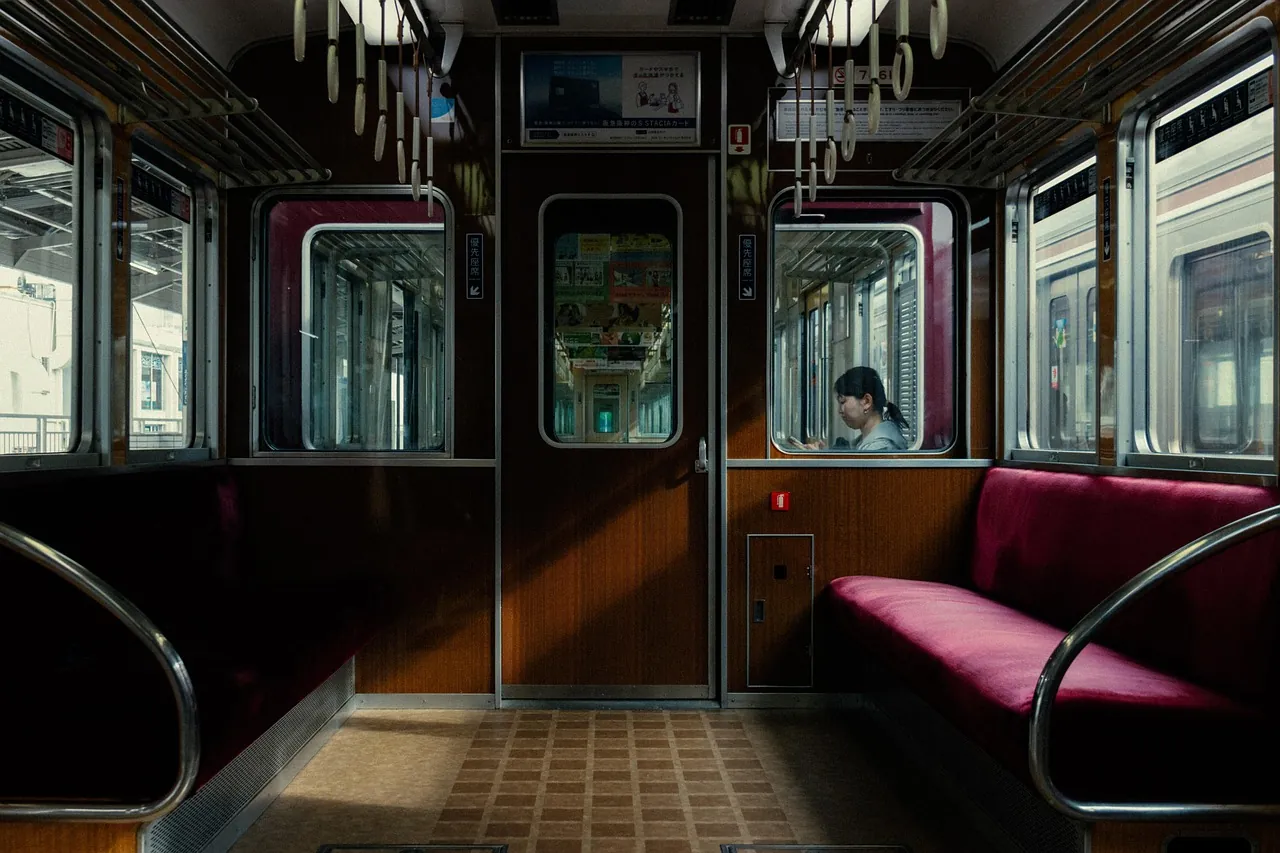
Japan is renowned for its highly efficient and comprehensive public transportation network. From the iconic Shinkansen (bullet trains) to local buses, navigating the country can be both exciting and daunting, especially for budget travelers. With a little planning and insight, you can traverse Japan's bustling cities and serene countrysides without breaking the bank.
Train Travel: The Backbone of Japanese Transit
Regional Rail Passes
While the Japan Rail Pass is often touted as a must-have for travelers, it's not always the most economical option unless you're planning to cover large distances quickly. Instead, consider regional rail passes such as the Kansai Thru Pass or the Tokyo Wide Pass. These passes offer unlimited travel within specific regions at a fraction of the price.
For instance, the Kansai Thru Pass allows unlimited rides on non-JR trains, buses, and subways within the Kansai region, encompassing cities like Osaka, Kyoto, and Nara. This pass is perfect for those who wish to explore these cultural hubs intensively.
Local Train Lines
Within cities, local train lines are often cheaper than their high-speed counterparts. Opt for trains like the JR Yamanote Line in Tokyo, which circles the city and stops at many major attractions. In Osaka, the Osaka Loop Line serves a similar purpose. Using prepaid cards such as Suica or Pasmo not only makes transactions seamless but often comes with discounted fares compared to buying single journey tickets.
Buses: An Affordable Alternative
Highway Buses
If you're looking to save on accommodation while covering long distances, consider taking overnight highway buses. Companies like Willer Express offer comfortable services between major cities. These buses are often equipped with reclining seats and offer a much cheaper alternative to bullet trains.
Local City Buses
In smaller cities or rural areas where train coverage may be sparse, local buses are essential. A key tip is to look for day passes, which provide unlimited travel within city limits. For example, in Kyoto, the City Bus & Kyoto Bus One-Day Pass allows you to explore the historical sites freely for a day at an affordable rate.
Exploring by Bicycle
Cycling is not only budget-friendly but also an enriching way to experience Japan. Many cities have rental bike schemes that allow you to rent bikes at low costs. In Kyoto, renting a bicycle provides an intimate way to visit temples and gardens that might be off-limits to cars or buses.
Cities like Sapporo and Fukuoka offer well-maintained cycling paths, making it safe and enjoyable for tourists. Moreover, bike rentals are usually located near train stations or tourist information centers for easy access.
Avoiding Expensive Cabs
Taxis in Japan can be expensive due to metered fares that increase based on distance and time. However, there are situations where they may be unavoidable, such as reaching a remote hotel late at night. Consider using ride-sharing apps like Uber Japan, which sometimes offer promotional discounts.
Savvy Accommodation Choices
Capsule Hotels and Hostels
To complement your budget travel plans, opt for capsule hotels or hostels. While capsule hotels provide unique Japanese experiences, hostels offer opportunities to meet other travelers and exchange tips about budget travel methods.
A noteworthy mention is Narita Airport's Nine Hours Capsule Hotel, where travelers can spend a few hours resting after a late-night flight before catching a morning bus or train to their next destination.
Guesthouses and Airbnb
Guesthouses and Airbnb options can often be more affordable than hotels, especially when traveling in groups. They also provide kitchen facilities that allow for self-catering, further reducing dining costs. Websites like Booking.com often have last-minute deals that can fit even tighter budgets.
Culinary Adventures on a Budget
Convenience Stores and Supermarkets
Japan's convenience stores (konbini) like 7-Eleven, Lawson, and FamilyMart offer a variety of inexpensive yet delicious meals. From onigiri (rice balls) to bento boxes, these stores provide quick eats perfect for those on-the-go.
Larger supermarkets often discount fresh produce and prepared meals later in the evening—a great opportunity for budget travelers to stock up on meals for the day ahead.
Izakayas and Chain Restaurants
Izakayas (Japanese-style pubs) offer a chance to enjoy local food at reasonable prices. Chain restaurants like Sukiya, Matsuya, and Coco Ichibanya provide filling meals such as curry rice and gyudon (beef bowl) without straining your wallet.
An evening in an izakaya can offer an insight into Japanese social life and culture while enjoying dishes such as yakitori (grilled chicken skewers) and edamame (soybeans).
Navigating Language Barriers
Although English signage is common in major transport hubs and urban areas, learning some basic Japanese phrases can enhance your experience. Simple greetings or polite requests can bridge communication gaps when purchasing tickets or asking for directions.
Mobile apps like Google Translate can assist with real-time translation through text or camera features, proving invaluable when trying to decipher menus or signs that are solely in Japanese.
Your Budget-Friendly Japanese Adventure Awaits
By leveraging these transportation methods and budgeting strategies, you can savor all that Japan has to offer without financial strain. From the neon-lit streets of Tokyo to the tranquil temples of Kyoto, every corner of Japan awaits exploration. Keep this guide handy to ensure your travels remain both economical and unforgettable.