An In-Depth Look at Traveling Southeast Asia: Backpackers vs. Flashpackers
Understanding the Essence of Backpacking and Flashpacking
Traveling through Southeast Asia is an unforgettable experience filled with vibrant cultures, stunning landscapes, and diverse culinary delights. Among budget travelers, two predominant styles emerge: backpacking and flashpacking. While both approaches share a common goal of economical travel, they cater to different preferences in terms of comfort, convenience, and experience.
Backpacking: The Traditional Route
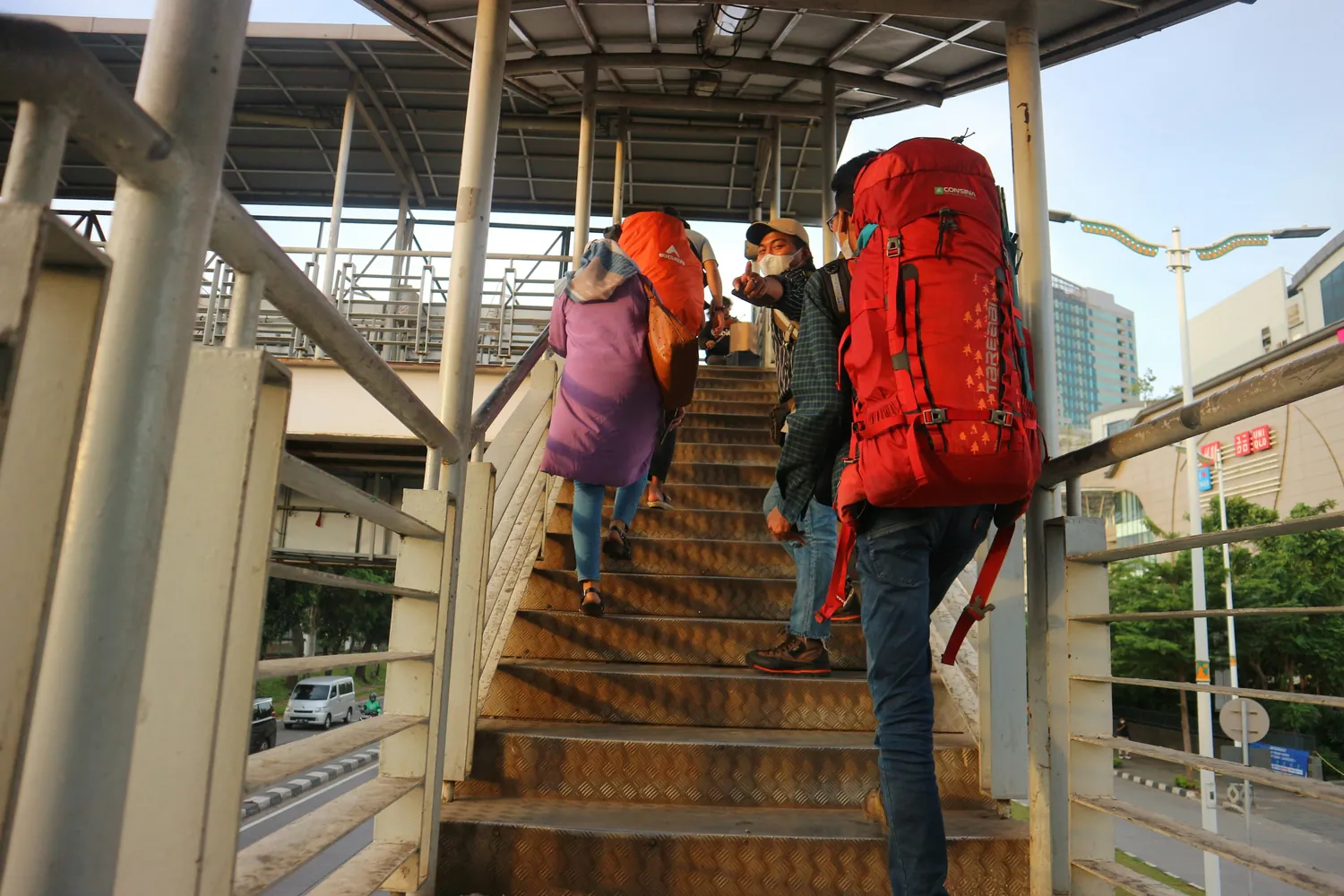
Backpacking typically evokes images of adventure and spontaneity, where travelers explore new destinations with minimal costs. This style often appeals to younger travelers or those looking to stretch their budgets over extended periods.
- Cost-Effectiveness: Backpacking prioritizes cost over comfort. Travelers often stay in hostels or guesthouses, eat street food, and utilize public transportation.
- Flexibility: Backpackers often travel with loose itineraries, allowing them to change plans as they discover new places.
- Cultural Immersion: By engaging with locals and using communal accommodations, backpackers frequently enjoy deeper cultural experiences.
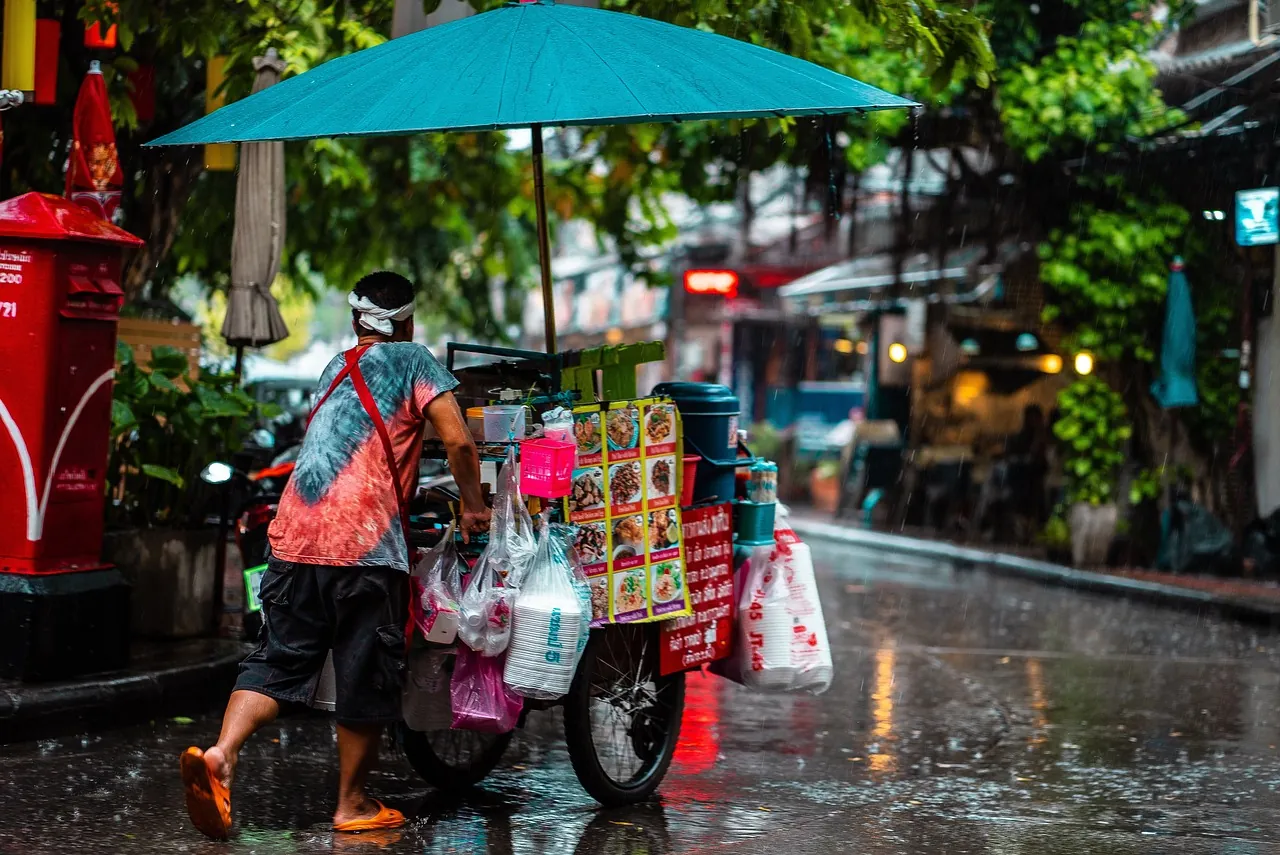
For instance, a backpacker might choose to stay at a hostel in Bangkok for as little as $5-$15 per night while enjoying pad thai from street vendors for just $1-$2.
Flashpacking: A Step Up in Comfort
Flashpacking merges the adventurous spirit of backpacking with a penchant for comfort. It suits those who have a slightly higher budget and prefer some of the amenities they enjoy at home.
- Enhanced Comfort: Flashpackers often opt for private rooms or boutique hotels rather than dormitories.
- Tech-Savvy: Typically equipped with gadgets like smartphones and laptops, flashpackers rely on technology for travel planning and staying connected.
- Curated Experiences: Flashpackers might splurge on unique experiences, such as guided tours or high-end dining, which can enhance their travel narratives.
An example would be a flashpacker staying at a mid-range hotel in Hanoi for around $30-$50 per night while occasionally dining at higher-end restaurants costing around $10-$20 per meal.
Cost Breakdown: Backpacking vs. Flashpacking
A practical comparison between backpacking and flashpacking requires an examination of typical expenses: accommodation, food, transportation, and activities.
Accommodation Costs
Backpackers frequently find affordable dormitory-style hostels for $5-$15 per night across Southeast Asia. In contrast, flashpackers might spend $30-$50 on private rooms in budget hotels or Airbnb accommodations offering more privacy and amenities.
Food and Dining
The culinary landscape of Southeast Asia is both diverse and budget-friendly. Backpackers often stick to street food stalls, spending as little as $5 per day. Flashpackers might diversify their meals between street food and occasional sit-down restaurants, averaging $15-$25 daily.
Transportation
Public transportation such as buses and trains remains popular among backpackers due to its affordability, with rides costing as little as $1-$5. Flashpackers may utilize faster options like domestic flights or ride-hailing services when necessary, incurring higher costs of $20-$100 depending on the distance.
Activities and Tours
While both types of travelers seek enriching experiences, the approach differs. Backpackers may join free walking tours or visit local attractions independently. Flashpackers are more likely to engage in guided tours or adventure activities, resulting in additional costs but potentially more immersive experiences.
Choosing the Right Approach for You
The decision between backpacking and flashpacking ultimately depends on personal preferences, travel goals, and financial flexibility. Below are some scenarios that may help travelers choose:
- If you relish spontaneity and deeply immersive cultural experiences while traveling on a tight budget, backpacking is ideal.
- If you prefer structured experiences with a balance of adventure and comfort without straying too far from your budget, flashpacking offers a compelling option.
Packing Tips for Both Styles
Backpackers' Essentials
Packing light is crucial for backpackers. Essential items include:
- A sturdy backpack (40-50 liters)
- Multi-purpose clothing
- A basic first-aid kit
- A good pair of walking shoes
Flashpackers' Essentials
Flashpackers benefit from incorporating additional comforts:
- A reliable carry-on suitcase
- A portable charger and power adapters
- A compact digital camera or smartphone with a good camera
Conclusion: Embrace Your Travel Style
Southeast Asia's charm lies in its ability to accommodate every traveler’s taste—from rustic adventures to leisurely journeys with all mod-cons. By understanding the nuances between backpacking and flashpacking, travelers can craft a journey that aligns with their aspirations and budget constraints. Whether you're navigating bustling markets or enjoying tranquil beaches, the essence of travel lies in the memories created along the way.